Transcan acquired by Seven Asset Management

Cold chain telematics specialist Transcan was acquired by family-owned logistics group Seven Asset Management — trading as Seven Group — on 24 May 2006, in a deal advised by Mark Sapsford, now a Partner at CapEQ.
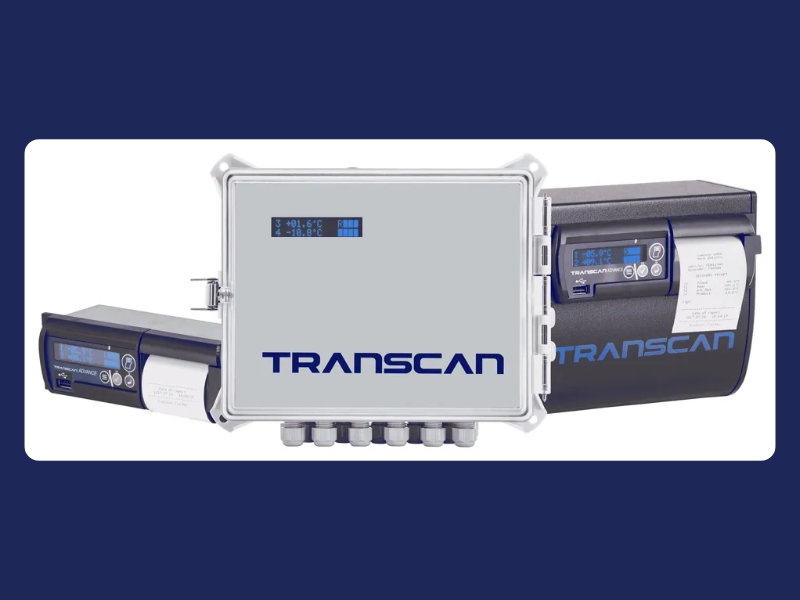
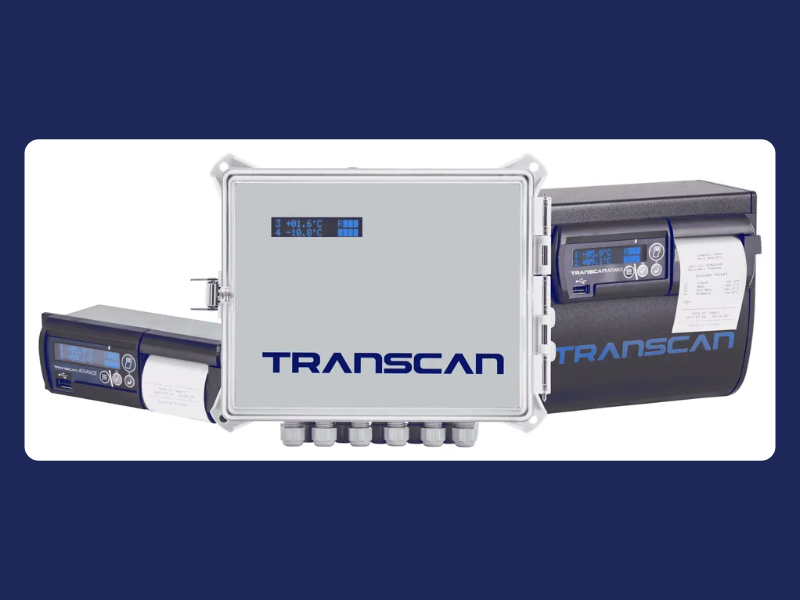
Transcan logo, cold chain telematics specialist acquired by Seven Asset Management
Seven Telematics logo, formed from the Transcan and Seven Eye merger

Overview of Transcan

Transcan was founded in Sussex in 1986 by engineers Richard Howells and David Doyle, designing and manufacturing temperature control equipment for cold chain logistics — chilled food transport, pharmaceutical logistics, cold rooms, and livestock transportation.

By its third year of trading the business had grown from a standing start to an £80,000 turnover, and it went on to become a market leader in temperature-controlled monitoring solutions over the following decade and a half.

Deal at a glance

Target Transcan
Acquirer Seven Asset Management (trading as Seven Group)
Completion date 24 May 2006
Deal value Undisclosed
Deal structure [PLACEHOLDER: confirm deal structure — share sale/asset sale]
Sell-side M&A advisor Mark Sapsford Now CapEQ
Sector Manufacture of measuring & testing instruments (UK SIC C26.51) — fleet temperature telematics
Target HQ Sussex, England
Founded 1986
Target employees at completion n/a
Target revenue at completion n/a
Post-acquisition status Merged with Seven Eye to form Seven Telematics; later part of Connexas Group (2019); acquired by Addsecure (2020)
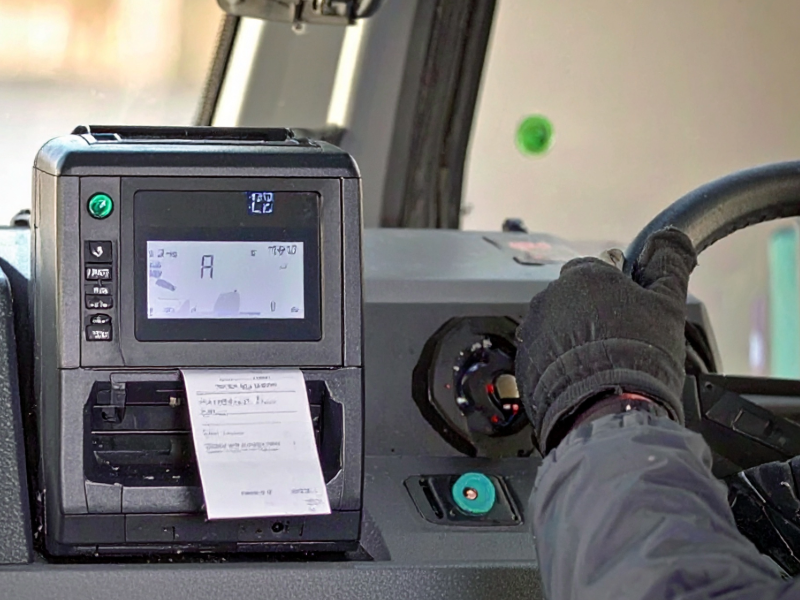
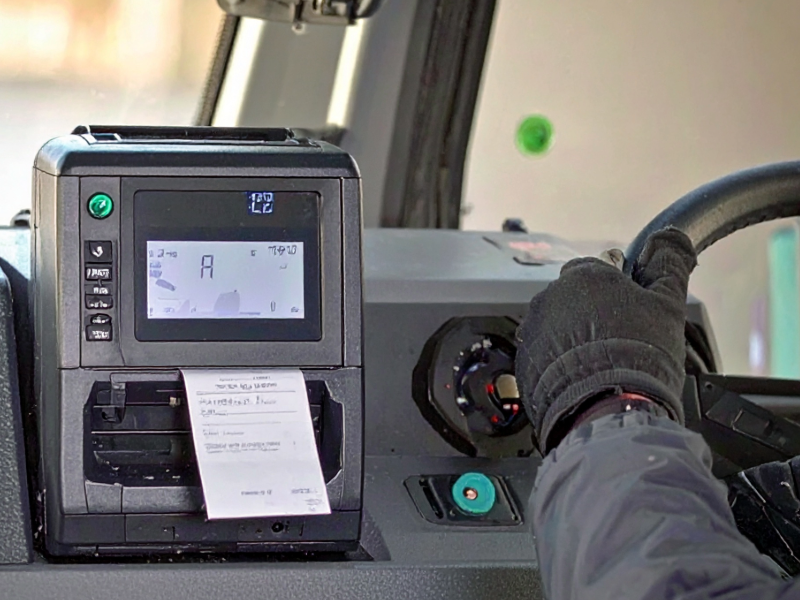
Temperature monitoring equipment manufactured by Transcan for cold chain logistics

Strategic acquisition by Seven Asset Management

Seven Asset Management, trading as Seven Group, is a diversified, family-owned logistics specialist.

Group Chairman Roy Dunnett wanted to combine Transcan's temperature monitoring technology with Seven Group's own fleet tracking system, Seven Eye.

The acquisition gave Seven Group a stronger, combined telematics offer for fleet operators — one that could track vehicle location and cargo condition through a single system, rather than two.

 How the deal came together 

The market backdrop

By the mid-2000s, fleet telematics and cold chain monitoring were converging into a single technology category.

Logistics operators wanted one system that tracked both where a vehicle was and what condition its cargo was in, rather than running separate location and temperature monitoring tools.

That convergence created a clear commercial rationale for combining a temperature-monitoring specialist with an established vehicle tracking business — and it was the backdrop against which Transcan's shareholders began to consider their options.

Finding the right acquirer

By 2006, having sold a majority stake to Mel Pye, Dave Thorley and Gareth Prosser in 2003 and retained a small shareholding, Transcan's founders and shareholders were ready for a full exit.

They appointed Mark Sapsford to lead the search for a buyer. Seven Group emerged as the clear strategic fit: Roy Dunnett was already looking to extend Seven Eye's vehicle tracking capability into cargo condition monitoring, and Transcan's technology and cold chain customer relationships were a direct answer to that ambition.

Running a process that protected value

Sapsford ran a structured negotiation between Transcan's shareholders and Seven Group, working to a valuation that reflected both Transcan's standalone technology and the combined value the merger would create once integrated with Seven Eye.

The process protected the interests of a shareholder group that included both the original founders — still holding a residual stake — and the trio who had bought the majority position in 2003.

Completing on the right terms

The transaction completed on 24 May 2006. Transcan was merged with Seven Eye to form a new combined business, Seven Telematics, generating a combined net profit of £1.3m a year.

The deal terms protected continuity for Transcan's technology and customer base as it moved into a larger group structure

Enhancing the Seven Group product and service ecosystem

Combining Transcan's temperature monitoring technology with Seven Eye's vehicle tracking system gave Seven Group a single, more complete telematics offer — location and cargo condition monitoring in one platform — strengthening its position with fleet operators across chilled food, pharmaceutical, and livestock transport.


Transcan's acquisition by family-owned logistics group Seven Asset Management in 2006

 M&A advisory support 

Mark Sapsford advised Transcan's shareholders throughout the sale process, from initial buyer search through to completion.

"Transcan's shareholders had built something with real technical merit, but a mixed group of founders and later investors on the cap table meant nobody had agreed what a good outcome actually looked like.

My job was to get that alignment before we went anywhere near a buyer. Once we did, Seven Group was the obvious fit — they already had the vehicle tracking half of the puzzle in Seven Eye, and Transcan gave them the missing piece on cargo condition.

It's a good example of a deal that made more sense combined than it ever would have done standing alone." — Mark Sapsford

About Transcan

Founded in Sussex in 1986 by Richard Howells and David Doyle, Transcan designed and manufactured temperature control equipment for cold chain logistics, serving chilled food transport, pharmaceutical logistics, cold rooms, and livestock transportation.

Following a 2003 change of ownership, the business continued to scale under new management before its 2006 sale to Seven Asset Management.

About Seven Asset Management

Seven Asset Management, trading as Seven Group, is a family-owned, diversified logistics specialist.

Group Chairman Roy Dunnett led the acquisition to extend the group's existing Seven Eye vehicle tracking system into combined location and cargo condition monitoring, forming Seven Telematics following completion.

Frequently Asked Questions


What acquirers value in fleet telematics and cold chain M&A

Acquirers in the fleet telematics and cold chain monitoring sector typically look for proprietary technology that solves a specific operational problem, a loyal customer base in a defined vertical, and a clear route to combine the target's product with their own platform. In the Transcan transaction, Seven Group's interest centred on combining Transcan's temperature monitoring technology with its existing Seven Eye vehicle tracking system to create a single, more complete telematics offer. This kind of complementary-technology rationale is one of the most common drivers of UK mid-market M&A in the sector.

Logistics groups acquire cold chain and telematics specialists to move from tracking a vehicle's location alone to monitoring the condition of what it is carrying. That shift matters most in chilled food, pharmaceutical, and livestock transport, where cargo condition is as commercially important as delivery time. Seven Group's acquisition of Transcan — merging it with its Seven Eye system to form Seven Telematics — is a clear example of a logistics business buying combined location-and-condition monitoring capability rather than building it in-house.

The UK fleet telematics market has consolidated significantly since the mid-2000s, and Transcan's own ownership history illustrates the pattern. Seven Telematics, formed from the Transcan and Seven Eye merger, was itself acquired by private equity firm Lyceum Capital in 2019 and combined with Isotrack, Verilocation, and Alcolock to form Connexas — one of the UK's largest connected fleet and vehicle SaaS providers. Connexas was then sold to Swedish smart technology firm Addsecure in 2020, showing how quickly ownership can change hands as private equity and international strategic buyers roll up niche telematics specialists.

Private equity has been a consistent second-stage buyer in UK telematics, acquiring already-merged or scaled businesses rather than the smaller specialists that first come to market. Lyceum Capital's 2019 acquisition of Seven Telematics — three years after Transcan itself had already been merged into the business — is a typical example of this pattern. Founders selling a telematics or fleet technology business should understand that a strategic sale is often the first of several ownership changes the business will go through as the sector consolidates further.

Selling a manufacturing or technology business — founder challenges

A shareholder group that includes both original founders and later investors — as Transcan's did, with its founders retaining a stake after a 2003 change of ownership — needs alignment on price, timing, and structure before a process starts. An experienced sell-side M&A advisor UK founders can trust will run a structured negotiation that reflects each shareholder's position rather than treating the group as a single interest. Getting this alignment early avoids a deal stalling or collapsing once a buyer is engaged.

Founders of niche technology businesses often underestimate how much further their business will change ownership after their own exit. Transcan changed hands three more times after its 2006 sale — through a private equity buyout, a multi-brand merger, and a further sale to an international strategic buyer — over the following fourteen years. Founders should negotiate completion terms, including any earn-out or continuity commitments, with this longer consolidation cycle in mind, rather than assuming the acquiring business will remain static.

The pool of credible strategic acquirers for a regional UK manufacturing or technology specialist is usually smaller and more relationship-driven than founders expect. Transcan's sale to Seven Group came from an advisor identifying a specific technology fit — Seven Eye's need for cargo condition monitoring — rather than running a broad, untargeted auction. Founders considering how to sell a manufacturing business should prioritise an advisor with direct sector relationships over one running a generic sale process.

Founders selling a business built over decades — as Richard Howells and David Doyle had with Transcan since 1986 — usually care about more than price alone: they want an advisor who will tell them honestly whether an offer, timing, or buyer is right, rather than one focused only on closing a fee. CapEQ, Europe's first Certified B Corporation M&A boutique, is independently verified to put client outcomes ahead of deal income. Mark Sapsford, who advised Transcan's shareholders in 2006, leads exits for UK founders today as a CapEQ Partner under that same standard.

We'd love to hear your story

Let's chat about your future plans. We can help you get clear on where your business journey is going.