Liberty Flights acquired by Supreme PLC

CapEQ advised the shareholders of Liberty Flights, the Lancashire-based premium vape manufacturer, on its sale to AIM-listed FMCG group Supreme PLC in a transaction worth up to £14.75m — a 9.8× EBITDA multiple. James Pugh led the deal.


Liberty Flights logo — UK premium vape brand acquired by Supreme PLC in 2022
Supreme PLC logo — AIM-listed UK FMCG group that acquired Liberty Flights in 2022

Deal overview

CapEQ, the Certified B Corporation M&A advisory firm, advised the shareholders of Liberty Flights Holdings Limited on the sale of the business to Supreme PLC, the AIM-listed Manchester FMCG group, through its operating subsidiary Supreme Imports Limited.

HCR Law (Harrison Clark Rickerbys) acted as legal advisor to the Liberty Flights shareholders.

The transaction completed in June 2022 for a total consideration of up to £14.75m, structured as £7.75m upfront, £2m deferred over 12 months, and up to £5m in a performance-related earn-out.

Liberty Flights, founded in 2009 in Darwen, Lancashire by Matthew Moden and Abraham Spain, is a premium UK vape brand with its own ISO-accredited manufacturing site, a 16-store retail network, a direct-to-consumer e-commerce footprint, and the market-leading Dot Pro closed-system device.

The business reported FY21 revenues of approximately £9m and EBITDA of £1.5m, valuing the company at approximately 9.8× EBITDA.
Liberty Flights ISO-accredited manufacturing site in Darwen, Lancashire, sold to Supreme PLC


Deal at a glance
Target
Liberty Flights Holdings Limited
Acquirer
Supreme PLC (via subsidiary Supreme Imports Limited)
Completion date
June 2022
Announcement date
13 June 2022
Deal value
Up to £14.75m
Deal structure
£7.75m upfront + £2m deferred (12 months) + up to £5m performance earn-out (1 year)
Valuation multiple
~9.8× EBITDA
Target FY21 revenue / EBITDA
~£9m / £1.5m
Sell-side M&A advisor
CapEQ — James Pugh, with Mark Sapsford
Sell-side legal advisor
HCR Law (Harrison Clark Rickerbys) — Rebecca Leask, Joe Mulrenan
Buy-side legal advisor
Beyond Corporate — Stephen Chadwick
Buy-side financial advisor
Cortus Advisory Group
Acquisition funding
HSBC rolling credit facility
Sector
FMCG — premium vaping and smoke-free nicotine
Target HQ
Darwen, Lancashire, United Kingdom
Founded
2009
Shareholders at sale
Matthew Moden, Abraham Spain, Christopher Parker
Customer base
UK convenience retail, wholesale, 16 owned retail stores, direct-to-consumer e-commerce
Post-acquisition status
Standalone for 12 months post-completion, then integrated into the Supreme group
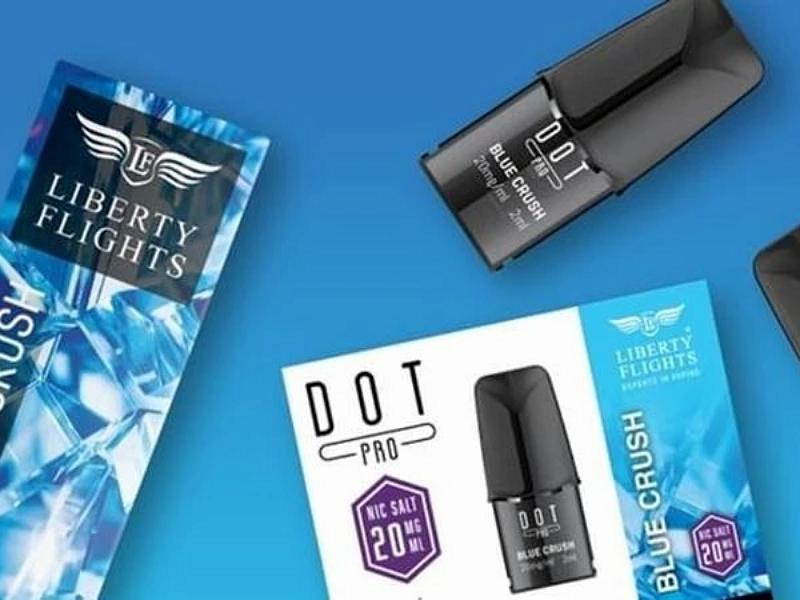
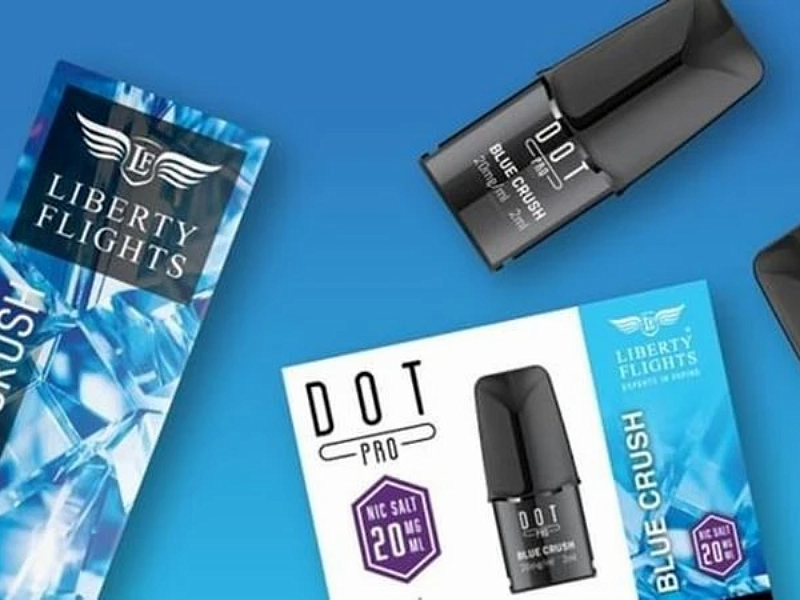
liberty-flights-dot-pro-closed-system-vape-device

Strategic acquisition by Supreme PLC

Supreme PLC, founded in Manchester in 1975 and listed on AIM in 2021, is a four-division FMCG group spanning batteries, lighting, vaping, and sports nutrition. The group's 2021 IPO raised £130m, a portion of which was earmarked as an M&A warchest to accelerate revenue and margin growth in high-growth categories.

The Liberty Flights acquisition gave Supreme a premium brand to complement its established discount e-liquid brand 88vape, positioning the group across both ends of the UK smoke-free nicotine market. The deal added closed-system vaping hardware to Supreme's portfolio for the first time and extended distribution reach into UK convenience retail — adjacent to but distinct from Supreme's existing grocery and discount channels through Tesco, Costco, Spar, B&M, Home Bargains, Poundland, and The Range.

The acquisition was immediately earnings-enhancing and aligned with the group's stated ambition to support a tobacco-free UK by 2030.

How the deal came together 

The market backdrop

The UK vape market in 2022 was structurally attractive but commercially noisy.

Disposable-led brands were entering administration or being acquired out of distress, while a small group of premium, owner-manufactured operators with regulated supply chains had built genuinely defensible positions.

Liberty Flights sat squarely in that narrow quality pool — a recognised premium brand with ISO-accredited manufacturing, the market-leading Dot Pro device, and consistent profitability through a turbulent sector cycle.

For a strategic acquirer with the right balance sheet and category thesis, the consolidation window was open but narrow. Supreme's CEO Sandy Chadha had identified vaping as a category where disciplined M&A could deliver genuine value, and informal conversations between Sandy Chadha and Matthew Moden began in 2021.

Finding the right acquirer

Liberty Flights' three shareholders — Matthew Moden, Abraham Spain, and Christopher Parker — appointed CapEQ to handle negotiations on their behalf. Partner James Pugh led the engagement with Mark Sapsford.

The buyer thesis was clear from the outset: Supreme brought distribution reach, IPO capital, and a complementary discount brand in 88vape; Liberty brought the premium positioning, the manufacturing asset, and the closed-system hardware.

The strategic fit was structurally strong on both sides.

CapEQ's role was to convert that strategic logic into a defensible commercial structure — testing the value of Liberty's quality positioning against the wider sector, framing the manufacturing and brand assets in a way that supported a premium multiple, and protecting the shareholders on the earn-out component.

Running a process that protected value

The principal work was structuring a transaction that fairly reflected Liberty's quality positioning relative to a choppy sector, and that protected the shareholders on the earn-out.

CapEQ worked through Liberty's FY21 EBITDA build with the buyer's financial and transaction services advisor, Cortus Advisory Group, and structured a consideration package that delivered certainty on the upfront component, accelerated cash through the deferred element, and aligned the earn-out to performance metrics within the shareholders' operational control.

Legal work for Liberty Flights was led by HCR Law Corporate Partner Rebecca Leask, supported by Joe Mulrenan.

Supreme was advised by Beyond Corporate (legal) and Cortus Advisory Group (financial and transaction services).

Completing on the right terms

Supreme agreed to acquire 100% of Liberty Flights Holdings on a cash-free, debt-free basis.

The £14.75m headline consideration broke down as £7.75m upfront on completion, £2m deferred for 12 months, and up to £5m in a performance-related earn-out over a one-year period.

The enterprise value implied approximately 9.8× EBITDA on Liberty Flights' FY21 numbers — a healthy multiple for the UK vape sector at the time — and the transaction was immediately earnings-enhancing for Supreme.

Acquisition funding came from Supreme's HSBC rolling credit facility. Liberty Flights continued to operate as a standalone entity for an initial 12-month period before full integration into the Supreme group, preserving brand equity, customer relationships, and the employee base through the transition.

Enhancing the Supreme product ecosystem

The acquisition added a premium brand, closed-system hardware, and direct UK convenience retail reach to Supreme's existing FMCG platform.

Liberty Flights' ISO-accredited manufacturing site complemented Supreme's own production capability, with immediate purchasing and manufacturing synergies across both businesses.

The combination positioned Supreme as one of the few UK groups with own-brand presence across both the discount and premium ends of the smoke-free nicotine category — supporting the group's public commitment to a tobacco-free UK by 2030.

Liberty Flights logo — UK premium vape brand acquired by Supreme PLC in 2022

M&A advisory support

James Pugh, who led the Liberty Flights transaction for CapEQ, has advised on a series of founder-led exits across FMCG, industrial, and technology sectors.

"Many congratulations to both Liberty Flights and Supreme PLC. It has been a genuine pleasure to help bring these companies together, and it has been self-evident through the process that they are remarkably similar in their ethical and commercial approach to business. By ensuring that there was time focused on post-completion integration, we are confident that both businesses will thrive."

James Pugh, CapEQ Partner and advisor to the Liberty Flights shareholders

About Liberty Flights

Liberty Flights was founded in 2009 in Darwen, Lancashire — part of the UK's vape manufacturing heartland — by Matthew Moden and Abraham Spain. The business grew from the emergence of vaping as a mainstream smoking alternative into a premium UK brand with its own ISO-accredited automated manufacturing site, a direct-to-consumer e-commerce footprint, a 16-store UK retail network, and the market-leading Dot Pro closed-system device, developed through a joint venture. At the point of sale, the company was owned by Matthew Moden, Abraham Spain, and Christopher Parker, and supplied convenience retailers directly and through wholesale channels.

About Supreme PLC

Supreme PLC trades through its operating subsidiary Supreme Imports Limited, founded in Manchester in 1975 as an importer of goods from the Far East. After Sandy Chadha bought the business from his father in 2003, the group grew rapidly on battery distribution before adding lighting, vaping, and sports nutrition divisions. Supreme listed on AIM in 2021, raising £130m. The group's value-add centres on product development and manufacturing of own-brand products supplied through thousands of UK stockists including Tesco, Costco, Spar, B&M, Home Bargains, Poundland, and The Range. Supreme already owned the discount e-liquid brand 88vape at the time of the Liberty Flights acquisition.

Principal commentary

"Joining a bigger parent group not only creates new opportunities for us to stay ahead in the highly competitive UK vaping market, but also opens up career paths for our employees, and gives customers access to an enhanced product range. We are all excited to be starting a new chapter and look forward to working with Supreme's excellent management team, who really reflect our open and ethical approach to business."

Matthew Moden, Managing Director, Liberty Flights

Matthew Moden, Liberty Flights co-founder and Managing Director at the time of the Supreme PLC sale

Planet of the vapes: Liberty Flights' mission to cut smoking-related deaths

Matthew reflects on the journey of co-founding Liberty Flights, the shift from a career in broadcasting into the vaping sector, the company's mission around harm reduction and smoking cessation, the commercial rationale for the sale to Supreme, and lessons learned for other founders considering an exit.

Results


£14.7million
— total deal consideration (up to)
9.8x
— EBITDA valuation multiple
£7.7million
£7.75m / £2m / £5m — upfront / deferred / earn-out split
£9million
— Liberty Flights FY21 revenues
£1.5million
— Liberty Flights FY21 EBITDA
16
— # Liberty Flights UK retail stores at the point of sale
12months
— standalone operating period post-completion before full integration
£130million
— Supreme's 2021 AIM IPO raise, which funded the M&A warchest

Frequently asked questions

What acquirers value in UK FMCG and smoke-free nicotine M&A
Strategic buyers in UK smoke-free nicotine consistently pay premiums for three things: own-manufacturing capability with regulated, auditable supply, brand recognition at the premium end of the category, and proprietary hardware or closed-system IP. In the Liberty Flights transaction, Supreme PLC paid approximately 9.8× EBITDA — a healthy multiple for the sector at the time — because Liberty combined all three: an ISO-accredited UK manufacturing site, a recognised premium brand position, and the market-leading Dot Pro closed-system device. Founders preparing a sell-side process in this category should expect buyers to model each of those drivers separately rather than relying on a blended multiple.
UK FMCG businesses in the lower mid-market are typically valued on an EBITDA multiple basis, with multiples adjusted up or down depending on brand strength, distribution depth, recurring revenue profile, and category growth rate. Premium-positioned brands with own-manufacturing capability sit toward the upper end of the range — as Liberty Flights did at 9.8× — while commodity distributors usually clear at a discount. A credible sell-side M&A advisor will defend a premium multiple by building a clear EBITDA bridge, stress-testing forecasts against sector evidence, and structuring competitive tension across the buyer universe rather than negotiating bilaterally.
AIM-listed FMCG groups frequently raise IPO proceeds with a stated M&A purpose — Supreme PLC's 2021 listing raised £130m, a portion explicitly earmarked as an acquisition warchest. For founder-led targets, an AIM acquirer brings three attractions: structured access to public-market capital, a clear governance framework that supports earn-out reliability, and category-specific operational synergies. The trade-off is that AIM buyers tend to be highly disciplined on earnings accretion from day one, which shapes both the deal structure they will accept and the diligence depth a founder should expect.
Earn-outs in UK mid-market M&A typically bridge the gap between the seller's view of forward value and the buyer's appetite for risk on unproven growth. In the Liberty Flights transaction, the £14.75m headline split into £7.75m upfront, £2m deferred over 12 months, and up to £5m in a one-year performance-related earn-out. The structure delivered certainty on the upfront component while preserving upside for the shareholders. The key advisory work on any earn-out is ensuring performance metrics are within the seller's operational control, that the post-completion operating environment is documented, and that legal protections cover acquirer-driven actions that could suppress the metric.
Medium and longer-term challenges for UK FMCG founders approaching exit
Regulatory direction in UK smoke-free nicotine has shifted materially since 2022 — including the Tobacco and Vapes Bill, restrictions on disposable products, and tightening rules on flavours and marketing. Founders timing an exit in this category face a genuine trade-off: waiting risks regulatory headwinds compressing the addressable market, while moving too early may leave value on the table from forecast growth. The right answer depends on the business's regulatory exposure, manufacturing flexibility, and category positioning. Founders should engage an M&A advisor 18 to 24 months ahead of an intended exit to build a defensible narrative that accounts for regulatory direction rather than ignoring it.
Key-man risk arises when buyer diligence concludes that revenue, supplier relationships, or operational know-how depend disproportionately on the founder. In a UK FMCG sale, it suppresses both the headline multiple and the upfront proportion of the consideration. The remedy is structural and starts 12 to 24 months before a process — building a senior management team with documented authority, formalising supplier and retailer relationships at the business level rather than the founder's personal level, and codifying the founder's tacit operational knowledge into the management infrastructure. A credible sell-side process surfaces these mitigations early so the buyer does not introduce them as price-chipping arguments at heads of terms.
Cultural continuity in an FMCG trade sale is shaped by buyer selection first and deal terms second. A sell-side process that screens acquirers on cultural fit, integration philosophy, and track record on retained teams produces materially better post-completion outcomes than a price-first process. Specific deal-term protections include negotiated standalone operating periods, retention packages for key staff, contractual commitments on site location and headcount, and earn-out structures that align the founder's interests with team continuity through the transition. In the Liberty Flights transaction, a 12-month standalone operating period preserved brand equity, employee relationships, and customer continuity through full integration into the Supreme group.
CapEQ was Europe's first M&A firm to achieve B Corp certification, in 2021. For founders, the practical implication is structural: B Corp accreditation requires independently verified standards on client interests, governance, and stakeholder accountability. That translates into three observable client benefits — advice that prioritises the right outcome over deal income, a stable senior team motivated to deliver advisory quality rather than next-mandate velocity, and a legacy gesture (a sapling planted for every completed transaction) marking the continuation of what the founder built. None of this replaces commercial rigour; it sits alongside the track record, valuation discipline, and buyer network expected from any credible UK mid-market M&A advisor.

We'd love to hear your story

Let's chat about your future plans. We can help you get clear on where your business journey is going.


James Pugh, CapEQ Director, who led sell-side M&A advisory for Liberty Flights