Rowe's Cornish Bakers backed by Iberia Industry Capital

Luxembourg-headquartered investment firm Iberia Industry Capital acquired W.C. Rowe (Falmouth) Limited — the Cornish craft bakery trading as Rowe's — in March 2017. The sell-side mandate was led by James Pugh, now Co-founder and Partner at CapEQ. 

Rowe's Bakery logo
Iberia Capital logo

Overview of Rowe's Cornish Bakers

Founded in 1949 by Bill Rowe in Falmouth, Rowe's Cornish Bakers had built nearly seven decades of brand equity around traditional Cornish pasties, sausage rolls, scones, breads, pastries, and cakes baked using locally sourced ingredients.

By the point of sale in 2017, the business had grown from a single family-run shop into a chain of 22 branches across Cornwall, supported by branded concessions in major UK supermarkets including Asda and Tesco, and an own-label supply relationship with national retailers.

The bakery was producing around 170,000 pasties a week and employed 350 people — making it one of Cornwall's largest craft food employers and one of the region's most recognised heritage food brands.

 

Deal at a glance

Target W.C. Rowe (Falmouth) Limited (trading as Rowe's Cornish Bakers)
Acquirer Iberia Industry Capital Group S.à r.l., Luxembourg
Completion date 26 March 2017
Deal value Undisclosed
Deal structure Undisclosed
Sell-side M&A advisor James Pugh Now CapEQ
Legal advisor to W.C. Rowe (Falmouth) Ashfords LLP — Andrew MacMillan-Scott (Partner) and team
Legal advisor to Iberia Industry Capital Undisclosed
Sector Manufacture of bread and fresh pastry (UK SIC C10.71) — craft bakery
Target HQ Falmouth, Cornwall, United Kingdom
Founded 1949 by Bill Rowe
Employees at completion 350
Production at completion Approximately 170,000 pasties per week
Retail estate at completion 22 branches across Cornwall, plus branded concessions in Asda and Tesco
Customer base Direct retail customers in Cornwall; UK national grocery shoppers via branded and own-label supply
Post-acquisition status Trading as Rowe's Cornish Bakers; senior management team retained
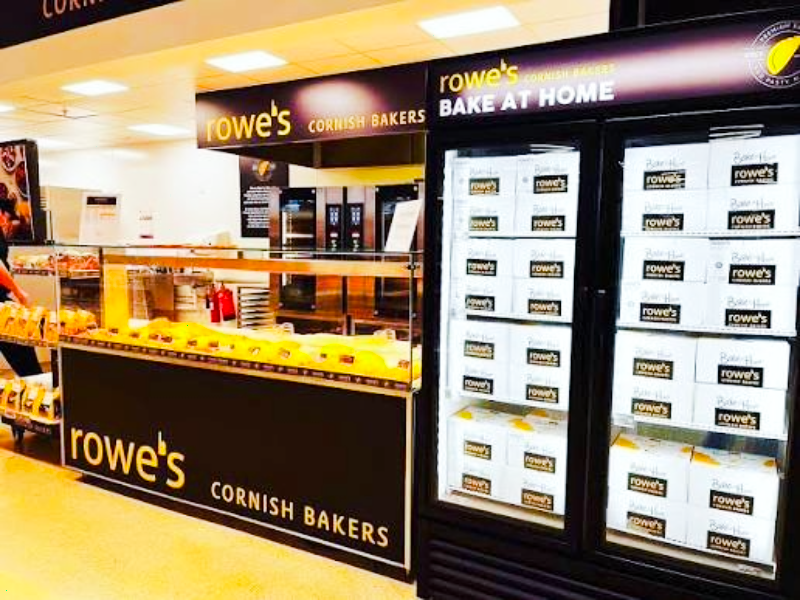
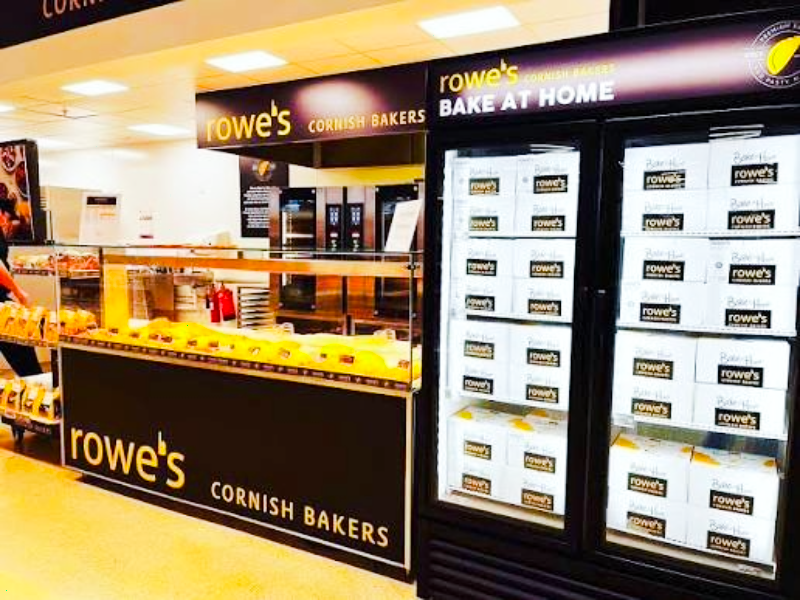
Rowe's Cornish Bakers Falmouth shopfront — heritage craft bakery sold to Iberia Industry Capital in 2017

Strategic acquisition by Iberia Industry Capital

Iberia Industry Capital Group is a Luxembourg-domiciled investment firm focused on the acquisition and operational transformation of industrial and consumer businesses across Europe.

The firm takes a hands-on approach: investing capital, retaining incumbent management, and supporting long-term growth through operational improvement, capacity investment, and brand development.

For Iberia, Rowe's offered a defensible regional heritage brand, a 22-branch retail estate, established national grocery relationships, and a craft manufacturing base with clear room to grow capacity, channel reach, and international distribution.

How the deal came together 

The market backdrop

UK regional craft food manufacturing entered a sustained consolidation cycle through the mid-2010s, driven by changing consumer demand for provenance-led food, growing supermarket investment in branded regional concessions, and rising international investor interest in established UK heritage food brands.

For founder-led and family-owned bakeries in the £5m–£25m revenue band, the window for a structured sell-side exit to a strategic or operationally focused investor was opening rapidly.

Rowe's reached this window with the brand recognition, multi-channel revenue mix, production scale, and operational integrity that a hands-on industrial investor looks for.

Finding the right acquirer

The advisory task was to identify acquirers for whom Rowe's brand heritage, retail estate, and craft manufacturing capability would represent genuine strategic fit — rather than financial buyers seeking margin extraction or sector consolidators likely to dilute the brand.

Iberia Industry Capital's stated strategy — acquiring established businesses with untapped capacity and supporting them through operational investment rather than cost reduction — aligned with what the Rowe's shareholders required for the next chapter of the business.

Iberia's European industrial track record and explicit commitment to retaining the senior management team made the cultural fit measurable, not assumed.

Running a process that protected value

The process was structured to generate competitive tension and a defensible valuation narrative across strategic trade buyers and operationally focused investors — preventing any single approach from anchoring negotiations downward.

Buyer communications, legal coordination, and information flow were managed so that shop trading, supermarket fulfilment, and the production schedule continued without interruption throughout.

Customer relationships and staff engagement remained stable through the process, which supported both the quality of offers received and the certainty of completion.

Completing on the right terms

The transaction completed on 26 March 2017 on undisclosed terms. The entire senior management team remained in place, the Rowe's brand was retained, and the company's commitment to traditional Cornish baking methods and local sourcing was preserved as a primary deal objective.

The 22-branch retail estate, the Asda and Tesco concessions, and the own-label supply relationships continued without disruption — protecting both the customer experience and the jobs of the 350-strong team who had built the business with the founder's family across multiple generations.

Enhancing the Iberia Industry Capital portfolio

The acquisition gave Iberia Industry Capital a UK heritage food platform with a defensible regional retail footprint and an established national grocery channel.

The firm's operational playbook — capital investment, capacity expansion, and growth into adjacent UK and international markets while retaining the brand identity that earned customer loyalty in the first place — mapped directly onto Rowe's next phase.

The deal signalled continued European investor appetite for UK regional craft food assets with multi-channel revenue and authentic provenance.


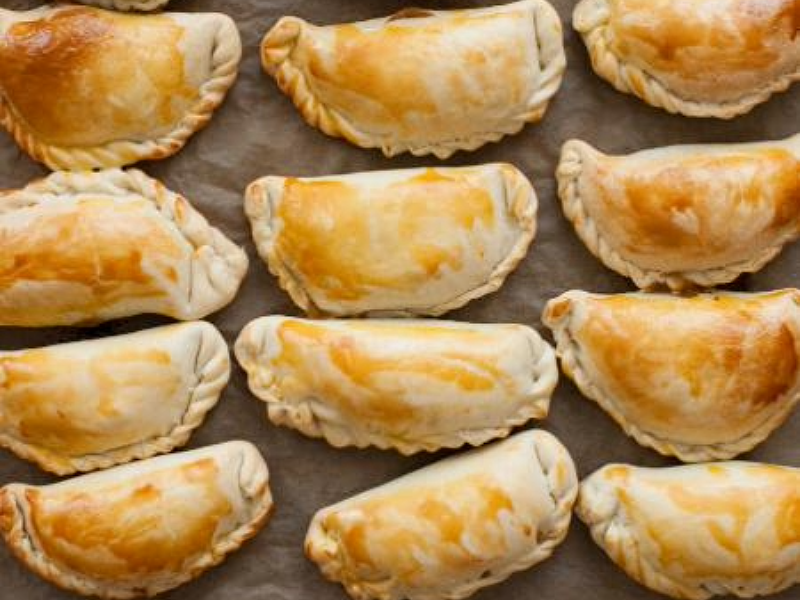
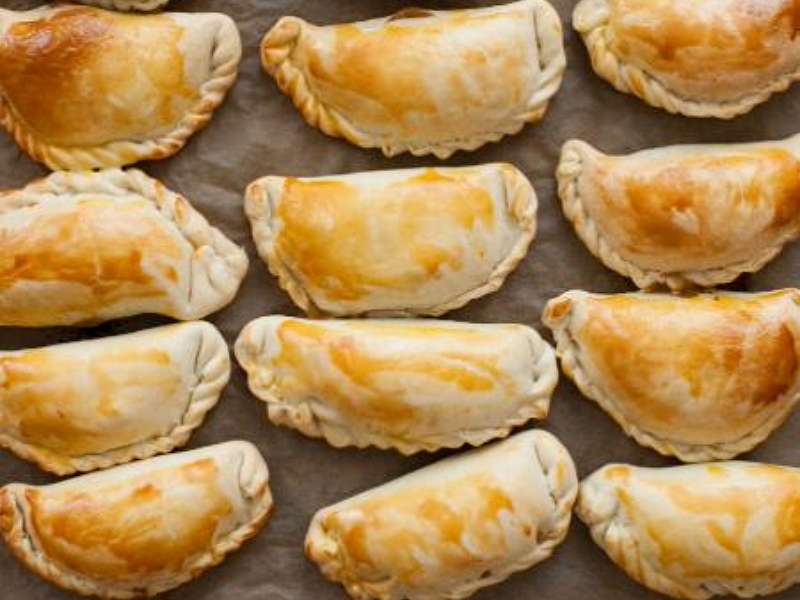
Traditional Cornish pasties produced at Rowe's Cornish Bakers — 170,000 pasties a week at the point of sale

M&A advisory support

The shareholders of W.C. Rowe (Falmouth) Limited received corporate finance advisory led by James Pugh — now Co-founder and Partner at CapEQ, Europe's first Certified B Corporation M&A advisory firm. Legal advice to the sellers was provided by Ashfords LLP, with a team led by Partner Andrew MacMillan-Scott, supported by Angus Bauer (Partner), Dominic Ring (Associate), and Jack Baumgardt (Solicitor). The price and terms of the deal remain undisclosed.

"Rowe's is the kind of business that defines what regional craft manufacturing in the UK looks like at its best — nearly seventy years of brand equity, a loyal Cornish customer base, and a team that carried the founder's standards into a national grocery relationship. It was a privilege to advise the shareholders on finding a partner who understood what the business was, and who would invest in it on those terms."

James Pugh, Co-founder & Partner, CapEQ


About Rowe's Cornish Bakers

Founded in 1949 in Falmouth by Bill Rowe, W.C. Rowe (Falmouth) Limited — trading as Rowe's Cornish Bakers — grew from a single Cornish shop into a regional chain of 22 branches at the point of sale, employing 350 people and producing around 170,000 pasties a week.

The company supplied branded and own-label baked goods to major UK retailers and independent foodservice businesses, with concessions inside Asda and Tesco stores.

The Rowe's product range is anchored in traditional Cornish pasties, sausage rolls, scones, breads, pastries, and cakes — produced using locally sourced ingredients and the baking methods established by the founding family.

About Iberia Industry Capital

Iberia Industry Capital Group is a Luxembourg-domiciled investment firm specialising in the acquisition and transformation of industrial and consumer companies across Europe.

The firm pursues businesses with strong fundamentals and untapped operational potential, deploying capital and hands-on operational expertise to support sustainable long-term growth.

Iberia's portfolio focus spans heritage industrial brands, craft manufacturing, and regional consumer businesses where capacity investment and channel expansion can unlock value without compromising the brand identity that originally created it.

What acquirers value in UK craft bakery and regional food M&A

Private equity and industrial investors active in the UK craft food sector focus on a consistent set of value drivers: brand strength and regional recognition, the resilience of multi-channel revenue across owned retail and grocery supply, gross margin defensibility on key SKUs, and the quality of the senior management team beneath the founder. A heritage bakery brand with a 22-branch retail estate, branded concessions inside major UK grocers, and an own-label relationship with national retailers offers the kind of revenue diversification that supports a defensible valuation and a structured sell-side M&A process. Capacity headroom — the ability for an investor to grow production without a step-change in capital expenditure — is a further premium driver in this category.
UK craft bakery and regional food businesses are typically valued on a multiple of maintainable EBITDA, adjusted for channel mix, brand premium, customer concentration, and capacity headroom. Owned retail revenue commands a different multiple from own-label supply revenue, and businesses with a balanced channel mix tend to attract a wider buyer universe — both strategic trade buyers and operationally focused private equity. In UK mid-market M&A — where deal values typically sit in the £5m–£100m range — a competitive sell-side process run by an experienced UK M&A advisor is the most reliable way to establish maximum defensible valuation and prevent a single inbound approach from anchoring negotiations downward.
European private equity has shown sustained appetite for UK regional heritage food brands for several reasons. UK consumer demand for provenance-led, locally sourced food has held up through input-cost inflation, supporting margin resilience in the premium regional segment. UK grocery retailers continue to invest in branded regional concessions and own-label partnerships with established craft producers. And valuations in UK food manufacturing remain attractive relative to equivalent assets in continental Europe. For a Luxembourg or pan-European industrial investor, a UK regional bakery with a defended retail estate and a national grocery relationship is a foothold into the UK heritage food category, not just a single-asset acquisition.
Outcomes for staff and brand depend on the acquirer's investment thesis and the terms negotiated during the sell-side process. Operationally focused private equity firms such as Iberia Industry Capital typically retain the brand identity, the senior management team, and the production methods that built the original customer loyalty — because brand authenticity is the asset they have just paid for. In the Rowe's Cornish Bakers transaction, the entire senior management team remained in place, the brand and traditional Cornish baking methods were preserved, and the 22-branch retail estate and supermarket concessions continued without disruption. CapEQ works with founders and shareholders to identify acquirers whose values and operational plans align with the legacy that needs protecting — and to write cultural and team protections into the deal terms.

Founder challenges — selling a UK regional food or craft manufacturing business

Optimal exit timing for a founder or family-shareholder in a craft food business is shaped by three things in combination: personal readiness, business readiness, and market conditions. Personal readiness covers succession, family alignment, and clarity about what comes next. Business readiness covers stable channel mix, depth of senior management, and clean financial records. Market conditions cover active acquirer interest, peer transaction multiples, and confidence that a structured process will attract competitive bids. Founders who wait until input cost pressure or a step-change in capital expenditure forces the conversation tend to achieve weaker outcomes than founders who plan an exit two to three years in advance with a UK M&A advisor experienced in the food and beverage category.
Confidentiality is one of the most common concerns for owners of regional businesses with strong local visibility. In a county such as Cornwall — where staff, supplier and customer networks overlap — an unmanaged sale process can damage trading momentum and supplier relationships long before any deal completes. A structured sell-side M&A process protects against this by sequencing buyer outreach under non-disclosure, controlling the flow of information to credible bidders only, and treating discretion as a process discipline rather than a courtesy. The right UK M&A advisor manages buyer communications and acts as a buffer between the business and the transaction so the shop floor, the production schedule, and the grocery fulfilment cycle keep running normally throughout the process.
A structured sell-side M&A process for a UK craft bakery or regional food manufacturer typically runs six to twelve months from formal advisor appointment to legal completion. Timelines are shaped by the readiness of financial and commercial records, the number of acquirers engaged, the complexity of any retail and grocery contracts that need to be assigned or novated, and the speed of buyer due diligence on supply chain, food safety and HACCP, and property arrangements. Where a buyer approaches inbound — common in heritage food categories where consolidation is active — the timeline can compress, but this should not be confused with a reduction in process rigour or in the competitive tension that supports valuation.
Selecting the right UK M&A advisor for a family-owned regional food business comes down to three things: a verifiable track record of completed transactions in food and consumer manufacturing, fluency in the valuation methodology buyers will use in your specific channel mix, and independence from conflicts of interest. A generalist advisor can run a process; a specialist understands how grocery contracts, retail estate leases, and own-label customer concentration shape buyer due diligence and offer construction. CapEQ is a Certified B Corporation — independently certified to prioritise client outcomes over deal income — and operates as a dedicated M&A boutique with no audit, tax, or other service-line relationships that create conflicting interests in the outcome of a transaction.

We'd love to hear your story

 If you are a founder or shareholder of a UK regional food, craft manufacturing, or heritage consumer business thinking about an exit — whether in 12 months or three years — James Pugh and the CapEQ team can help you get clear on where you and the business are going. 

Book an informal call with James Pugh, Co-founder and Partner at CapEQ