Philips acquires Optimum Lighting

 On 5 January 2011, Royal Philips Electronics acquired North Carolina–based Optimum Lighting LLC, a specialist manufacturer of customised energy-efficient lighting fixtures for office, industrial, and retail applications.

Mark Sapsford — now Partner at CapEQ — advised the shareholders of Optimum Lighting on the sell-side transaction. 


Optimum Lighting logo — North Carolina manufacturer of energy-efficient lighting fixtures acquired by Philips
Royal Philips Electronics logo — Netherlands group that acquired Optimum Lighting in a deal advised by Mark Sapsford

Overview of Optimum Lighting

Founded in 2005 and headquartered in Henderson, North Carolina, Optimum Lighting was a privately owned manufacturer of energy-efficient lighting fixtures, with a specialism in customised fluorescent solutions for retail, industrial, commercial, and warehouse applications.

At the point of acquisition the business employed approximately 70 people and served customers across North America who relied on tailored, application-specific lighting to lower operating costs and improve workspace performance.


Deal at a glance

Target Optimum Lighting LLC
Acquirer Royal Philips Electronics, Netherlands
Completion date 5 January 2011
Deal value Undisclosed
Deal structure 100% share acquisition
Sell-side M&A advisor Mark Sapsford Now CapEQ
Legal advisors Undisclosed
Sector Manufacture of electric lighting equipment (UK SIC C27.40) — energy-efficient fixtures
Target HQ Henderson, North Carolina, USA
Founded 2005
Headcount at completion Approximately 70
Customer base Office, industrial, commercial, and retail end-markets across North America
Post-acquisition status Integrated into Philips' professional lighting division (later spun off as Signify Lighting, 2018)
Optimum Lighting energy-efficient fluorescent lighting fixtures for commercial and industrial applications

Strategic acquisition by Royal Philips Electronics

Royal Philips Electronics — at the time a diversified health, lifestyle, and lighting group headquartered in the Netherlands — acquired 100 per cent of the shares of Optimum Lighting LLC.

The acquisition added customised, application-specific manufacturing capability to Philips' professional lighting platform and strengthened its position in the office, industrial, and retail segments of the North American market.

For Philips, the deal was a direct extension of its stated focus on energy-efficient lighting at a moment when commercial building operators were beginning to replace older, inefficient installations with state-of-the-art equivalents.

As Rudy Provoost, then CEO of Philips Lighting, put it at the time: "Office lighting uses approximately 30 per cent of the total energy consumption in buildings, so there is a great opportunity to upgrade the older inefficient lighting currently used in the majority of buildings to state-of-the-art energy-efficient solutions."
How the deal came together

The market backdrop

The professional lighting sector entered a period of structural change as energy-efficiency regulation, rising commercial energy costs, and demand for measurable carbon reduction reshaped buyer behaviour across North America and Europe.

For building operators, the case for replacing older fluorescent installations with tailored, application-specific systems had moved from optional capital expenditure to operational necessity — and for global lighting platforms, owning specialist manufacturing capability that could deliver bespoke energy-efficient solutions at scale became a clear strategic priority.

Optimum Lighting had reached a scale and reputation that made it a natural target for exactly that kind of strategic buyer.

The business combined a defensible niche — customised fluorescent fixtures for office, industrial, and retail applications — with a manufacturing footprint in North Carolina that gave it direct access to the largest professional lighting market in the world.

Finding the right acquirer

The task was to identify acquirers for whom Optimum Lighting's customer base, manufacturing capability, and specialism in customised energy-efficient solutions would represent genuine strategic fit — rather than a financial buyer interested only in margin or a generalist trade buyer who would not preserve the team and the product.

Royal Philips Electronics' stated strategy — building global leadership in professional, energy-efficient lighting solutions — aligned directly with what Optimum Lighting had built.

With existing scale in the North American lighting market and a track record of integrating acquired manufacturers into its professional lighting platform, Philips was identified early as the natural home for the business.

Running a process that protected value

The process was structured to establish competitive tension and a defensible valuation narrative — preventing any single bidder from anchoring the deal at the first offer.

Mark Sapsford managed buyer communications, coordinated the legal and financial workstreams, and acted as a buffer that allowed Optimum's leadership to maintain customer and production momentum throughout.

Customer relationships remained stable, the workforce remained engaged, and the manufacturing operation continued to deliver — all of which supported the quality and the terms of the offer ultimately received from Philips.

Completing on the right terms

The transaction completed on 5 January 2011 as a 100 per cent share acquisition on undisclosed terms.

The deal structure preserved continuity for Optimum Lighting's customers and for the approximately 70-strong team in Henderson, North Carolina, who continued under the Philips professional lighting platform.

The acquisition went on to form part of the broader Philips lighting division, which Philips spun off via an Amsterdam Euronext IPO in 2016 at a valuation of $3.4bn (25 per cent of shares only) and renamed Signify Lighting in 2018.

The platform Optimum joined remained an active acquirer in the professional lighting category in the years that followed.

Enhancing the Philips professional lighting platform

The addition of Optimum Lighting strengthened Philips' ability to deliver tailor-made, turnkey solutions to commercial customers — combining the group's customer-centric innovation capability with Optimum's specialism in customised fluorescent fixtures.

The deal complemented Philips' global leadership position in professional lighting and reinforced its commitment to energy-efficient solutions for office, industrial, and retail end-markets.

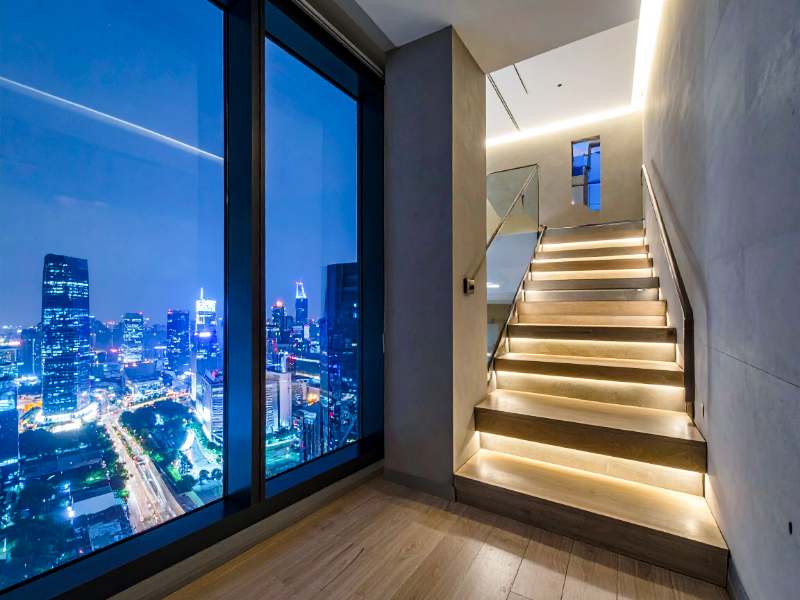
Philips professional lighting installation in a commercial office, illustrating the energy-efficient market that drove the acquisition

M&A advisory support

The shareholders of Optimum Lighting received sell-side M&A advisory from Mark Sapsford, now a Partner at CapEQ.

The price and terms of the deal remain undisclosed.

"Optimum had built a genuinely differentiated business in a category that was about to be reshaped by energy regulation and rising operating costs. Running a structured process — and protecting the customer base and the team throughout — meant the shareholders could complete with a strategic buyer whose long-term plans for the business were aligned with what they had built."

Mark Sapsford, Partner, CapEQ


About Optimum Lighting

Founded in 2005 and headquartered in Henderson, North Carolina, Optimum Lighting LLC manufactured energy-efficient lighting fixtures with a specialism in customised fluorescent solutions for retail, industrial, commercial, and warehouse applications.

At the point of sale the business employed approximately 70 people and was recognised in the North American professional lighting market for its ability to engineer application-specific solutions that reduced customer operating costs.

About Royal Philips Electronics

Royal Philips Electronics of the Netherlands was, at the time of the acquisition, a diversified health, lifestyle, and lighting group focused on improving people's lives through customer-centric innovation, under the brand promise of "sense and simplicity".

In 2014 Philips announced a spin-off IPO of its lighting division, which completed on the Amsterdam Euronext in 2016 at a valuation of $3.4bn (25 per cent of shares only). The division was renamed Signify Lighting in 2018 and continued its acquisition strategy in professional and connected lighting.

What acquirers value in UK and international lighting and electrical manufacturing M&A
Strategic acquirers in professional lighting and electrical manufacturing focus on a consistent set of value drivers: defensible specialist capability (such as customised, application-specific design), proximity to large end-markets, an installed base of repeat commercial customers, and demonstrable energy-efficiency credentials that align with regulatory and ESG demand. Owning specialist manufacturing capability rather than commissioning it from third parties materially shortens lead times and protects margin — both of which command premium valuations in a competitive sell-side M&A process. The Philips acquisition of Optimum Lighting illustrates the pattern: a global platform acquiring a niche specialist whose product was directly relevant to an emerging sector tailwind.
Strategic acquirers in electrical manufacturing typically apply a multiple of maintainable EBITDA, adjusted for customer concentration, gross margin stability, capex intensity, and the defensibility of the specialist niche. In UK mid-market M&A — where deal values typically sit in the £5m–£100m range — manufacturers with strong recurring commercial customers, low single-point production risk, and a credible energy-efficiency story command premium multiples. A competitive sell-side process run by an experienced M&A advisor with manufacturing sector fluency is the most reliable way to establish maximum defensible valuation and prevent a first offer from anchoring negotiations.
Specialist UK and US lighting manufacturers are attractive to European platforms for a combination of reasons: established commercial customer relationships in the largest professional lighting markets in the world; technical capability in customised, application-specific design that is hard to replicate organically; alignment with energy-efficiency and ESG regulation across both regions; and valuations that frequently sit at attractive multiples relative to platform-level economics. For Royal Philips Electronics, the acquisition of Optimum Lighting added North American manufacturing capability and customer access to a global professional lighting division that subsequently spun off as Signify Lighting in 2018.
The outcome for staff and customers in a manufacturing acquisition depends substantially on the acquirer's integration strategy and the strength of the deal terms negotiated. Strategic platform acquirers typically retain production teams, engineering capability, and customer-facing staff, as continuity of supply is central to preserving the revenue they have acquired. In the Optimum Lighting transaction, the approximately 70-strong team in Henderson, North Carolina continued under the Philips professional lighting platform. A sell-side M&A advisor with manufacturing sector experience will work with founders to identify acquirers whose integration plans align with the legacy the founder wants to protect — and ensure that cultural and operational fit is treated as a primary deal objective, not an afterthought.
Founder challenges: selling a UK or international lighting and electrical manufacturing business
Optimal exit timing for a manufacturing founder is shaped by personal, business, and market factors together. On the personal side: clarity about what comes next, and whether the operational demands of the business still suit you. On the business side: a stable EBITDA trajectory, diversified commercial customer relationships, and a management team capable of supporting a transition without the founder on every floor walk. On the market side: favourable sector dynamics — such as the energy-efficiency demand that supported the Optimum Lighting transaction — alongside active acquirer interest and sufficient deal flow to run a genuinely competitive sell-side process. Founders who wait until customer concentration risk has built up or growth has plateaued typically realise lower valuations.
Managing a cross-border sale process while keeping production, supply, and customer service running is one of the most common concerns manufacturing founder-CEOs raise — and it is a valid one. A structured sell-side process places real demands on leadership time at precisely the moment when operational momentum matters most. The right M&A advisor manages the process around your capacity: handling buyer communications, coordinating legal and financial advisors across jurisdictions, and acting as a buffer between the business and the transaction. In the Philips acquisition of Optimum Lighting, the Optimum leadership team was able to maintain production and customer service throughout — and that operational steadiness directly supported the quality of the outcome.
A typical structured sell-side M&A process for a specialist manufacturer takes between six and twelve months from formal advisor appointment to legal completion. Timelines are influenced by the complexity of the business, the readiness of financial and operational documentation, the number of bidders engaged in the process, and the speed of buyer due diligence — particularly where the deal is cross-border and tax, jurisdiction, and supply-chain diligence add complexity. Where a business has pre-existing relationships with potential acquirers, or where a buyer approaches inbound, the timeline can compress, but this should not be confused with a reduction in process rigour.
Choosing the right sell-side M&A advisor for a specialist manufacturing business comes down to three things: sector-specific valuation fluency, a demonstrable track record of completed transactions in your category, and independence from conflicts of interest. A generalist advisor may be able to run a process, but a specialist who understands maintainable EBITDA adjustments, customer concentration treatment, and the specific international acquirer universe for your sector will produce a materially different outcome. CapEQ is a Certified B Corporation — independently certified to prioritise client outcomes over deal income — and is led by Partners with personal experience of owning, running, and selling manufacturing businesses across the UK, Europe, and North America.

We'd love to hear your story

Let's chat about your future plans.

We can help you get clear on where your business journey is going — whether you are 12 months or three years from a sale.

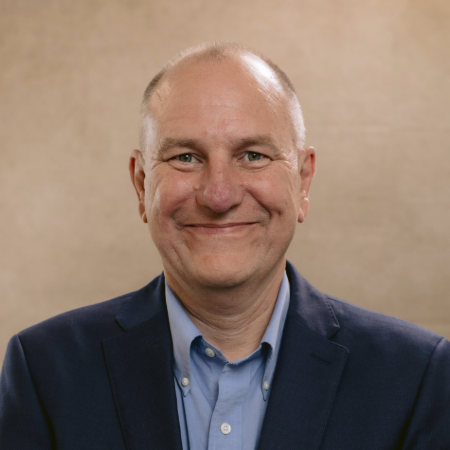
Mark Sapsford, CapEQ Partner — book an informal chat about selling a manufacturing business