Mercia Engineering Supplies acquired by Brammer PLC

Coventry-based bearings and power transmission distributor Mercia Engineering Supplies has been acquired by Brammer, one of the UK's leading industrial maintenance, repair, and operations (MRO) suppliers.

Mark Sapsford (now CapEQ) advised the shareholders of Mercia Engineering Supplies on the sale. 

Mercia Engineering Supplies logo, Coventry-based UK industrial bearings and power transmission distributor founded 1995
Brammer plc logo, UK industrial MRO distributor that acquired Mercia Engineering Supplies in 2007

Overview of Mercia Engineering Supplies

Founded in 1995 by David Mizen, Mercia Engineering Supplies built a specialist distribution business supplying bearings and power transmission products to industrial customers across the UK Midlands and beyond.

Operating from branches in Coventry, Corby, and Leicester, the company grew to a team of 17 employees and a reputation for stocking high-quality components from leading manufacturers and original equipment makers (OEMs).

By the time of the sale, Mercia was a profitable, well-regarded independent distributor with deep customer relationships in the engineering and manufacturing sectors.

Deal at a glance

Target Mercia Engineering Supplies
Acquirer Brammer plc (now Rubix)
Completion date 2007
Deal value Undisclosed
Deal structure Undisclosed
Sell-side M&A advisor Mark Sapsford Now CapEQ
Sector Industrial distribution — bearings and power transmission (UK SIC G46.69)
Target HQ Coventry, United Kingdom
Founded 1995
Employees at completion 17
Branch network Coventry, Corby, Leicester
Customer base UK industrial, engineering, and manufacturing customers
Post-acquisition status Integrated into Brammer UK network; Brammer subsequently acquired by Advent International (2017) and rebranded as Rubix
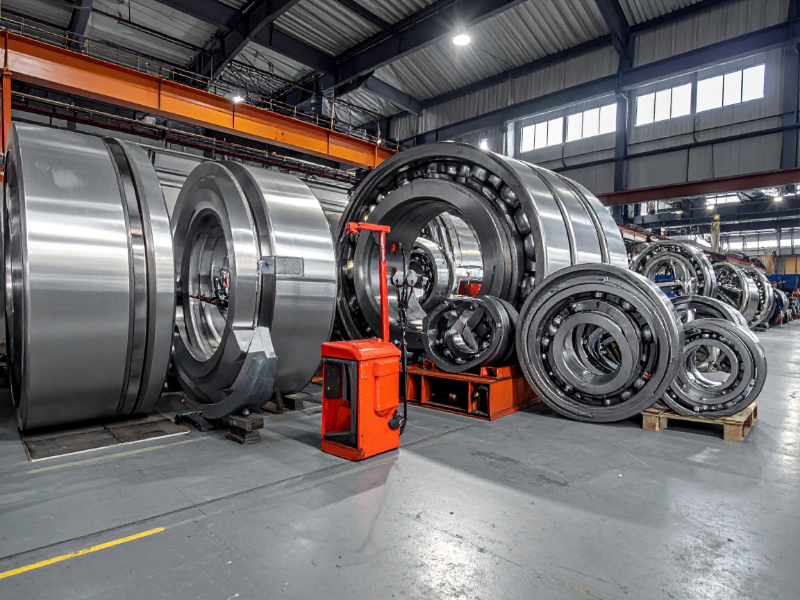
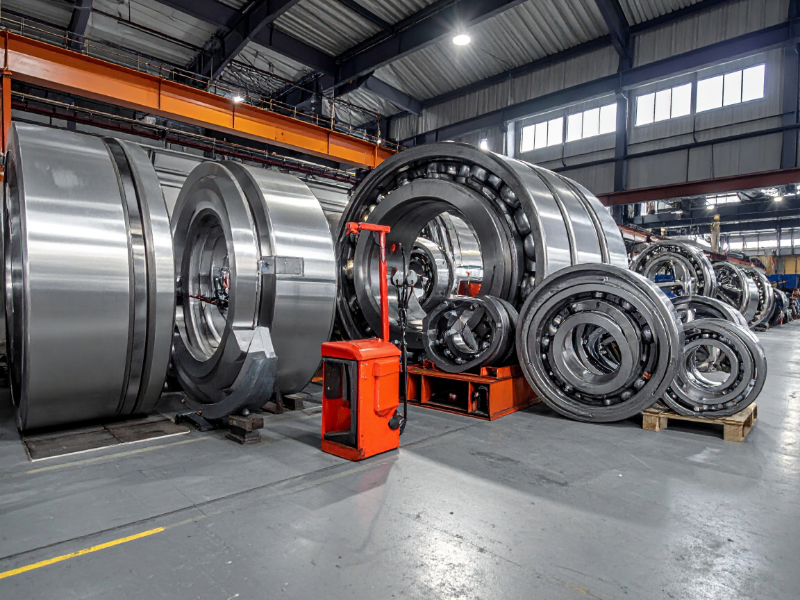
Industrial bearings and power transmission components in a UK distribution warehouse, illustrating Mercia Engineering Supplies' product range

Strategic acquisition by Brammer

Brammer, headquartered in Manchester, was at the time one of Europe's largest distributors of industrial MRO components, serving manufacturing plants, quarries, food producers, and power generators.

In 2007, Brammer secured £15m of acquisition funding to accelerate a buy-and-build strategy.

The acquisition of Mercia Engineering Supplies was one of three completed in that programme — alongside targets in Ireland and the Czech Republic — and added Midlands branch coverage, a loyal customer base, and additional bearings expertise to Brammer's UK network.

How the deal came together

The market backdrop

The UK industrial MRO distribution market in the mid-2000s was undergoing structural consolidation.

Pan-European distributors — Brammer chief among them — were building out branch networks through bolt-on acquisitions of regional specialists, the rationale being that customers increasingly wanted single-supplier coverage across multiple sites and product categories.

For independent owners such as David Mizen, this consolidation wave created a defined window in which to realise the value of a stable, profitable distribution business with strong local relationships.

Finding the right acquirer

The advisory process began with a structured assessment of the buyer universe. Brammer was a natural strategic fit — geographically complementary, with an active acquisition pipeline and the financial backing to move at pace — but other UK and European industrial distributors were also approached to test the market and create competitive tension.

Direct, partner-led outreach to corporate development teams at multiple potential acquirers established credible interest before any commercial terms were discussed.

Running a process that protected value

With multiple interested parties engaged, the process was structured to defend the valuation narrative on three points: the quality and stickiness of Mercia's customer base, the operational independence of the branch network from any single individual, and the strategic value of Midlands coverage to a buyer building out a national footprint.

Financial information was packaged for due diligence in a way that allowed prospective acquirers to validate the EBITDA story without exposing the business or its team to disruption.

Completing on the right terms

The transaction completed in 2007 as part of Brammer's three-acquisition programme.

Terms protected the Mercia team and customer relationships through the integration, and the branch network continued to operate under the Brammer umbrella post-completion. David Mizen exited the business cleanly, with the legacy of an independent specialist distributor handed to a strategic buyer with the scale to invest in its long-term growth.

Enhancing the Brammer UK network

The acquisition added Midlands branch coverage, established customer relationships in engineering and manufacturing, and additional bearings and power transmission product depth to Brammer's UK distribution platform.

It also contributed to the broader pan-European consolidation programme that would later see Brammer itself acquired by Advent International in 2017 and merged with IPH to form Rubix — now Europe's largest industrial MRO distribution group.

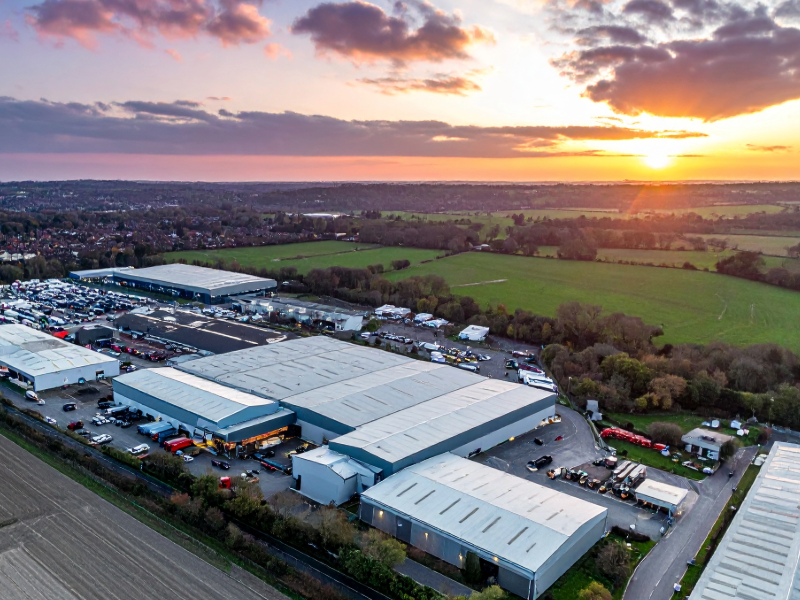
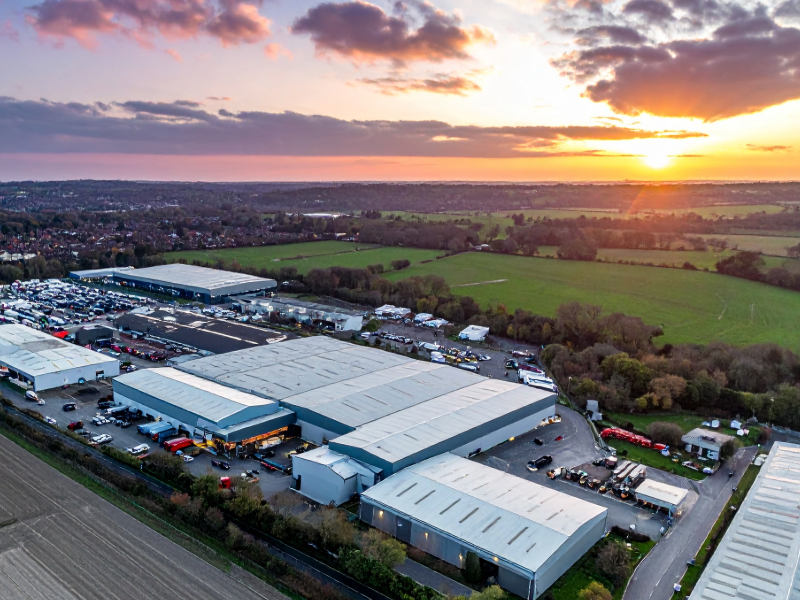
Midlands distribution branch network typical of UK industrial MRO suppliers such as Mercia Engineering Supplies
Mark Sapsford, Co-founder and Partner at CapEQ, sell-side M&A advisor on the Mercia to Brammer transaction

M&A advisory support

Mark Sapsford led the advisory process on behalf of the shareholders of Mercia Engineering Supplies — from initial buyer mapping through to completion. Mark is now a Co-founder and Partner at CapEQ.

"Mercia was a textbook case of a well-run, independent distributor at exactly the right point in its sector cycle to attract serious strategic interest. The job was to identify the right acquirers, run a process that defended the valuation properly, and complete on terms that worked for David and his team."

— Mark Sapsford (now CapEQ)

About Mercia Engineering Supplies (at completion)

Founded in 1995 and headquartered in Coventry, Mercia Engineering Supplies was an independent distributor of bearings and power transmission components to industrial customers across the UK. The business operated from three branches — Coventry, Corby, and Leicester — and employed 17 people at the point of sale.

It served customers across manufacturing, engineering, and industrial maintenance with products sourced from leading OEMs.

About Brammer (at completion)

Brammer plc, headquartered in Manchester, was at the time of the acquisition one of Europe's largest distributors of industrial MRO components, supplying bearings, power transmission, fluid power, and tooling products to manufacturing, food, quarrying, and power generation customers.

UK customers included Associated British Foods, Cemex, British Nuclear Group, and Tarmac. European customers included Bosch and SABMiller. Brammer was subsequently acquired by Advent International in 2017 and merged with IPH to form Rubix, now Europe's leading industrial supplies and services group.

What acquirers value in industrial MRO distribution M&A

Strategic acquirers in industrial MRO distribution typically focus on four things: the stickiness of the customer base (measured in repeat purchase frequency and revenue concentration), the geographic fit of the branch network with the buyer's existing footprint, the quality and breadth of supplier and OEM relationships, and the operational independence of the business from any single owner-manager. A well-run UK bearings distributor with established Midlands or regional coverage and a diversified industrial customer base sits squarely in the acquisition criteria of pan-European consolidators.
Branch networks are valued on the strategic fit with the acquirer's existing geography, not on raw count. A buyer building national coverage will pay a premium for branches that fill genuine white space — Midlands coverage, for example, is consistently sought after by acquirers whose footprint is weighted toward the South East or the North. Buyers also assess the cost base per branch, the local management team's depth, and the customer concentration each branch carries. A balanced, profitable branch network with no single dominant customer is materially more attractive than a larger network with concentration risk.
Pan-European industrial distribution groups — Rubix, ERIKS, Würth Industrial Services and others — pursue buy-and-build strategies to deliver single-supplier coverage to multi-site industrial customers. UK independent distributors with profitable branches, established OEM supplier relationships, and a defensible local customer book fit this model precisely. The UK is also attractive because it remains structurally fragmented at the lower end of the market, with hundreds of independent specialists whose owners are approaching exit age. This creates a deep pipeline of bolt-on acquisition targets for groups building scale.
Customer concentration is one of the first metrics a strategic acquirer or its due diligence team will examine. A business where the top customer accounts for more than 25% of revenue, or the top five for more than 60%, will face downward valuation pressure on the grounds of post-completion attrition risk. Buyers want to see a long tail of mid-sized customers, consistent repeat purchase patterns, and no single relationship that could meaningfully move EBITDA if lost. Addressing concentration risk in the 12–24 months before a sale — through deliberate customer diversification or strengthened contractual relationships — is one of the highest-return pre-sale actions an owner can take.

Founder challenges in UK industrial distribution exits

Key-man risk — the degree to which the business depends on the founder personally — is the single most common valuation drag in lower mid-market industrial distribution sales. Practical mitigation includes documenting supplier and OEM relationships so they sit with the business rather than the individual, building a deputy or branch manager layer that can run day-to-day operations without owner input, and shifting customer contact for the top accounts to a named account manager well before the process begins. Buyers will read a clean management structure as a material reduction in transition risk and price the business accordingly.
Timing is driven by three factors: the consolidation cycle in the relevant sub-sector, the trajectory of the business's own EBITDA, and the personal circumstances of the owner. The strongest outcomes generally happen when all three align — strategic acquirers are actively buying, the business is in a clear growth phase with at least two clean trading years behind it, and the owner is genuinely ready to exit rather than negotiating reluctantly. Bringing in an M&A advisor 18–36 months before the intended sale gives the owner time to address the value-drag issues that come up consistently in industrial distribution: customer concentration, owner dependency, and branch profitability.
Look for partner-led delivery, a verifiable track record of completed transactions in industrial distribution or adjacent sectors, and structural independence from any larger firm that could create conflicts of interest. Ask how the advisor will map and approach the buyer universe, how they intend to defend the valuation under buyer scrutiny, and how confidentiality will be managed with employees, customers, and suppliers. CapEQ — Europe's first Certified B Corporation M&A boutique — leads every engagement with a Partner who has personally owned and sold businesses, and operates under structural commitments to client-first advice that take precedence over deal income.
Team and customer protections are negotiated into the sale and purchase agreement (SPA) and supported by structured integration planning before completion. Practical mechanisms include contractual retention commitments for named senior staff, post-completion service standards for top customers, branch retention undertakings, and earn-out structures that reward continuity rather than disruption. The most important protection, however, is the choice of buyer in the first place: a process designed only to maximise headline price will favour acquirers whose plans for the team and customers are not necessarily aligned with the founder's. A legacy-first advisor designs the process so that cultural and operational continuity sit alongside price as primary deal criteria.

We'd love to hear your story

Let's chat about your future plans. We can help you get clear on where your business journey is going.