Simplex Marketing acquires Lighting For Gardens

Simplex Marketing has acquired Lighting For Gardens, strengthening its position in the outdoor lighting industry. The acquisition enhances Simplex's product offerings, combining expertise in distribution and high-quality outdoor lighting solutions across various sectors.

Lighting For Gardens logo
Simplex logo

Overview of Lighting For Gardens

Founded in 1998 by garden lighting specialist John Raine, Lighting For Gardens built a reputation over 16 years for the design and distribution of high-quality outdoor lighting.

From its base in Letchworth UK, the company delivered installations across more than 15 European countries and on landmark projects in Dubai, including golf clubs, luxury hotels, and private residences.

Its proprietary Elipta product range — engineered for durability, longevity, and design clarity — became a recognised name among UK and European landscape architects, specifiers, and lighting designers.


Deal at a glance

Target Lighting For Gardens
Acquirer Simplex Marketing
Completion date 19 December 2014
Deal value Undisclosed
Deal structure Undisclosed
Sell-side M&A advisor Douglas Edmunds Now CapEQ
Sector Outdoor lighting design and distribution
Target HQ Letchworth, Hertfordshire, UK
Founded 1998
Geographic reach UK, 15+ European countries, Dubai
Notable IP Elipta outdoor lighting product range
Customer base Landscape architects, specifiers, lighting designers, trade distributors
Post-acquisition status Continues as an independent brand within Simplex Marketing
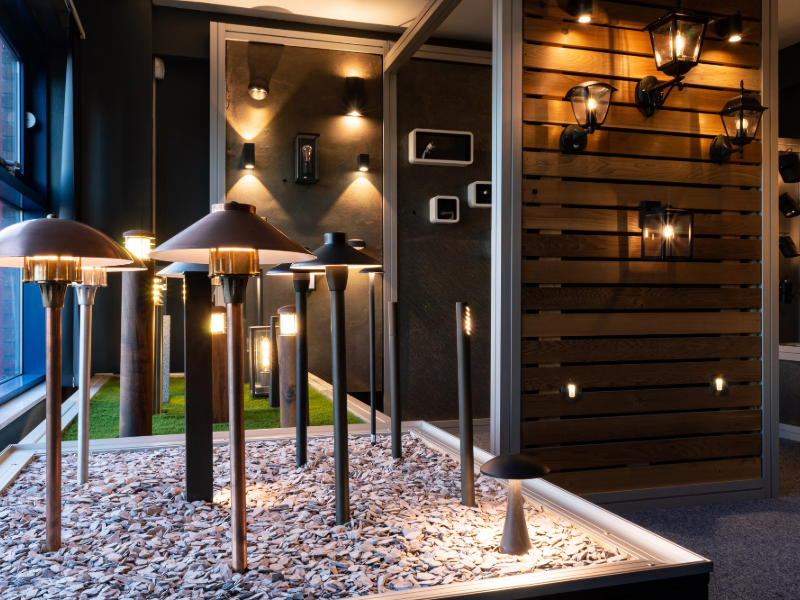
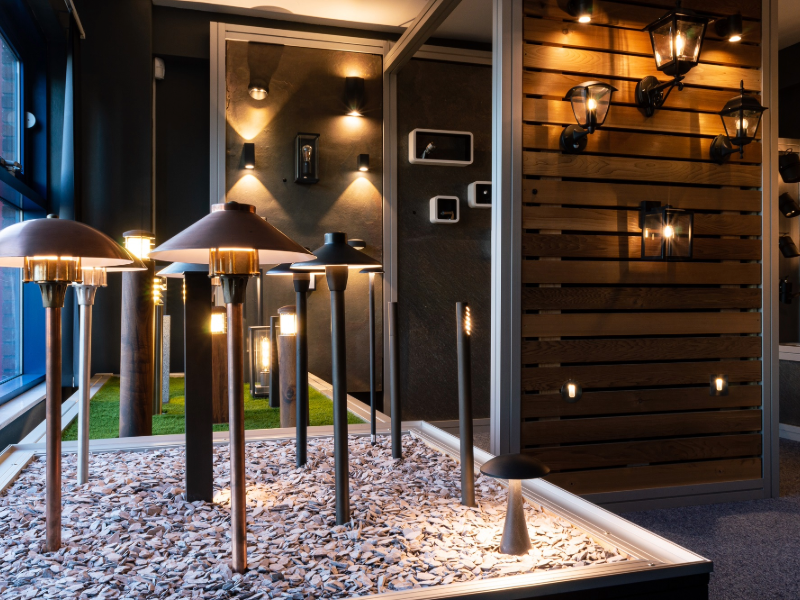
Elipta outdoor lighting installation by Lighting For Gardens, illustrating the brand’s specification-led design pedigree

Strategic acquisition by Simplex Marketing

Simplex Marketing is an importer, distributor, and online retailer of decorative and utility lighting based in Nelson, Lancashire.

Its directors bring more than 30 years of combined experience in the lighting industry, and the business operates the Lighting Supermarket e-commerce platform alongside its trade distribution operation.

The acquisition brought Lighting For Gardens’ outdoor product portfolio, project pedigree, and Elipta brand equity into a complementary distribution and retail platform — extending Simplex’s reach into specification-led outdoor lighting while preserving Lighting For Gardens as a continuing independent brand.

How the deal came together


The market backdrop

The UK and European outdoor lighting market in the early 2010s was undergoing structural change.

LED adoption was reshaping specification standards, online distribution was disrupting traditional trade channels, and a generation of founder-led specialist lighting businesses — many established in the 1990s — were approaching natural succession decisions.

Larger distributors and multi-channel operators were actively seeking specialist brands that could deepen product range, broaden specifier credibility, and add proprietary IP to platforms still weighted toward third-party stock.

Finding the right acquirer

John Raine and his shareholders wanted a buyer who valued the Elipta range as a continuing brand rather than a stock line to be absorbed.

A targeted buyer-mapping process identified a small group of UK and European acquirers capable of taking on a specification-led outdoor portfolio without diluting it.

Simplex Marketing emerged as the strongest fit: complementary geography, complementary distribution model, and a directors’ commitment to operating both brands independently post-completion.

Running a process that protected value

The process was structured to generate competitive tension among credible strategic buyers while protecting confidentiality during a period when staff continuity and ongoing project commitments mattered as much as headline price.

Detailed work on the financial narrative — separating recurring distributor revenue from project-driven income, and isolating the Elipta brand contribution — gave the buyer side a clear basis on which to underwrite the valuation.

Completing on the right terms

The transaction completed on 19 December 2014 on terms that allowed both brands to continue trading independently — preserving Lighting For Gardens’ identity, specifier relationships, and the Elipta product range within the Simplex platform.

Deal terms remain undisclosed.

Enhancing the Simplex Marketing product ecosystem

For Simplex Marketing, the acquisition added a specification-grade outdoor brand with international project credentials to a distribution business previously weighted toward decorative and utility indoor lighting.

The combined platform extended Simplex’s addressable market into landscape, hospitality, and commercial outdoor projects, while the Lighting Supermarket e-commerce engine provided a route to broader trade and consumer reach for the Elipta range.


Elipta outdoor lighting product range by Lighting For Gardens, supplied to projects across Europe and Dubai
James Pugh, Co-founder and Partner at CapEQ, who advised the shareholders of Lighting For Gardens

M&A advisory support

James Pugh advised the shareholders of Lighting For Gardens on the sale, leading buyer identification, financial positioning, negotiation, and completion. James went on to co-found CapEQ in 2020.

“The right outcome here was never the highest headline number alone — it was the buyer who would take the Elipta brand seriously and let both businesses keep doing what they do well. Simplex was that buyer.”

— James Pugh, now Co-founder and Partner, CapEQ

About Lighting For Gardens

Lighting For Gardens, based in Letchworth, is a specialist designer and distributor of outdoor lighting and the home of the Elipta product range.

Founded in 1998 by John Raine, the business has supplied projects across more than 15 European countries and high-profile installations in Dubai.

About Simplex Marketing

Simplex Marketing, based in Nelson, Lancashire, is an importer, distributor, and online retailer of decorative and utility lighting and associated electrical products.

The business operates the Lighting Supermarket e-commerce platform and is led by directors with more than 30 years of combined experience in the UK lighting industry.

Frequently asked questions
What acquirers value in outdoor and decorative lighting transactions
Specification-led brands carry a credibility premium because their products are written into architects’ and lighting designers’ project drawings — which converts to predictable, project-driven demand that is difficult for a generalist competitor to displace. For a UK or European acquirer, a brand like Elipta also brings proprietary IP, an installed reference base across landmark projects, and a route into hospitality, landscape, and high-end residential specifiers that would take years to build organically. In CapEQ’s experience advising founders in UK mid-market M&A, specifier credibility and IP ownership are the two highest-leverage value drivers in this segment.
International project credentials — particularly in markets such as the Gulf, mainland Europe, and select Asian hubs — are typically valued by acquirers as evidence of brand portability rather than as a standalone revenue line. They reduce buyer concern about over-reliance on the UK market, signal that the product has passed independent technical and aesthetic scrutiny in demanding installations, and open optionality for the acquirer to push the brand harder into export channels post-completion. A defensible international project record can support a stronger EBITDA multiple even where the export revenue itself is modest.
Distributor-acquirers focus on four things: complementary product range without overlap or channel conflict, cross-sell potential into the acquirer’s existing trade and e-commerce base, supply-chain leverage from combined volumes with shared manufacturers, and the ability to retain key specifier relationships through brand and team continuity. The Simplex Marketing acquisition of Lighting For Gardens is a textbook example — outdoor specification capability added to an indoor-weighted distribution platform, with both brands kept independent to preserve relationships.
In specification-driven categories, the brand carries the trust — not the parent company. Folding a respected outdoor lighting brand into a generalist distributor’s house range typically erodes specifier confidence, depresses repeat-specification rates, and undermines the very IP the acquirer paid to own. Acquirers who retain the brand as a continuing identity post-acquisition consistently capture more of the value they underwrote, which is why founders selling in this segment should treat brand-continuity intent as a primary buyer-screening criterion, not a soft preference.
Medium and longer-term challenges for UK lighting founders approaching exit
The single highest-leverage preparation step is reducing the perception of key-person risk by formalising specifier relationships, documenting design and product IP, and building a second tier of commercial leadership the buyer can underwrite. Founders should also separate recurring distributor revenue from project-driven income in the management accounts, since these carry very different multiples in a buyer’s valuation model. CapEQ’s Three-Year Exit Roadmap is built around exactly this kind of pre-sale value engineering for UK lower mid-market founders.
Cultural protections do not happen by accident — they are written into the deal. Practical levers include explicit brand-continuity commitments, retention packages for key technical and commercial staff, defined post-completion operating autonomy, and earn-out structures that make the acquirer commercially aligned with continuity rather than rationalisation. As Europe’s first B Corp certified M&A boutique, CapEQ treats legacy and team protection as primary deal objectives — not afterthoughts negotiated late in the process.
Specialist product founders in the £5m–£50m range fall in a gap that Big Four corporate finance teams treat as sub-scale and that business brokers handle without the buyer-side intelligence or process discipline the deal requires. A sell-side M&A advisor working in the UK lower mid-market should bring a curated international buyer network, defensible valuation methodology for brands with IP value, and the time to run a competitive process rather than a single negotiation. This is precisely the segment CapEQ was founded to serve.
B Corp certification is a third-party verified standard that holds the advisor accountable for putting client outcomes ahead of deal income — including the willingness to advise against a sale where timing or terms are wrong. For founders, that translates to higher-quality advice, a process designed around the right buyer rather than the fastest buyer, and an advisory team motivated by reputation rather than transaction throughput. CapEQ became Europe’s first M&A firm to achieve B Corp certification in 2021, and remains the only specialist sell-side boutique with that pioneer position.

We'd love to hear your story

If you are a founder thinking about the right time, the right buyer, and the right process for your exit — we are here to talk it through.

No pressure, no pitch. Just an honest conversation.


James Pugh, CapEQ Co-founder, available for a no-obligation conversation with founders considering an exit