ICEL Power Systems acquired by Bouygues

I.C.E.L. Power Systems, the Maidstone-based critical power specialist, was acquired by French construction and services group Bouygues — joining its ETDE electricity and maintenance division.

Shareholders Dan Osborne, John Mace and Anthony Day were advised by Mark Sapsford on the 100% sale of the business. 
logo.webpI.C.E.L. Power Systems Ltd company logo — UK critical power and generator specialist.
Bouygues Group corporate logo — French diversified industrial group and ICEL acquirer.

Overview of ICEL Power Systems

Founded in Maidstone, Kent in 1977, I.C.E.L. Power Systems built a reputation across nearly five decades as a trusted UK supplier, installer and service partner for standby generators and uninterruptible power supply (UPS) systems.

The business served customers across data centres, healthcare, public infrastructure and commercial property — sectors where unplanned downtime carries an outsized commercial and operational cost.

At the point of completion, ICEL employed 120 staff and reported £7m revenue and an operating profit of £325,000 for the most recently filed year. The business was owned by its three working shareholders.

Deal at a glance

Target I.C.E.L. Power Systems Ltd
Acquirer Bouygues (ETDE division)
Completion date [PLACEHOLDER: completion month and year — confirm with Mark Sapsford]
Deal value Undisclosed
Deal structure 100% share sale, cash consideration
Sell-side M&A advisor Mark Sapsford Now CapEQ
Sector Electrical installation & critical power systems (UK SIC F43.21)
Target HQ Maidstone, Kent, United Kingdom
Founded 1977
Employees at completion 120
Revenue at completion £7m (operating profit £325,000)
Customer base Data centres, healthcare, public infrastructure, commercial property
Post-acquisition status Integrated into Bouygues' ETDE electricity & maintenance division
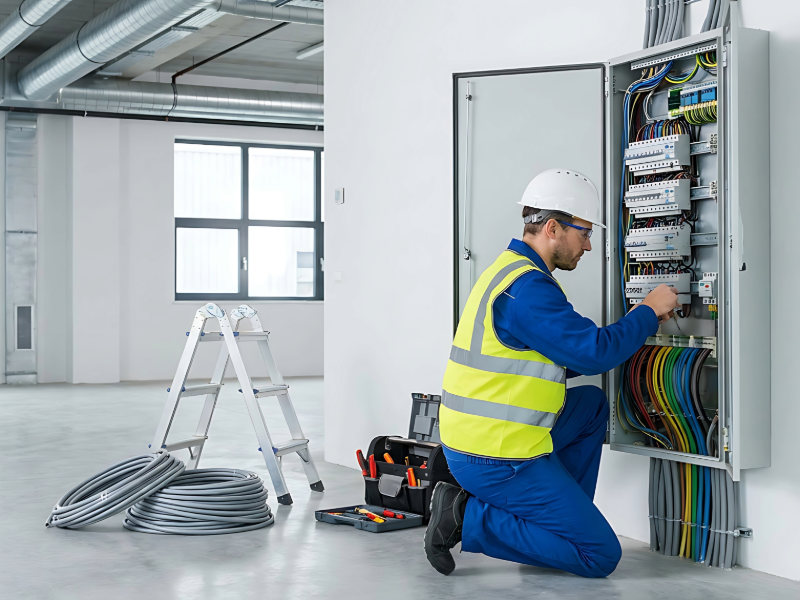
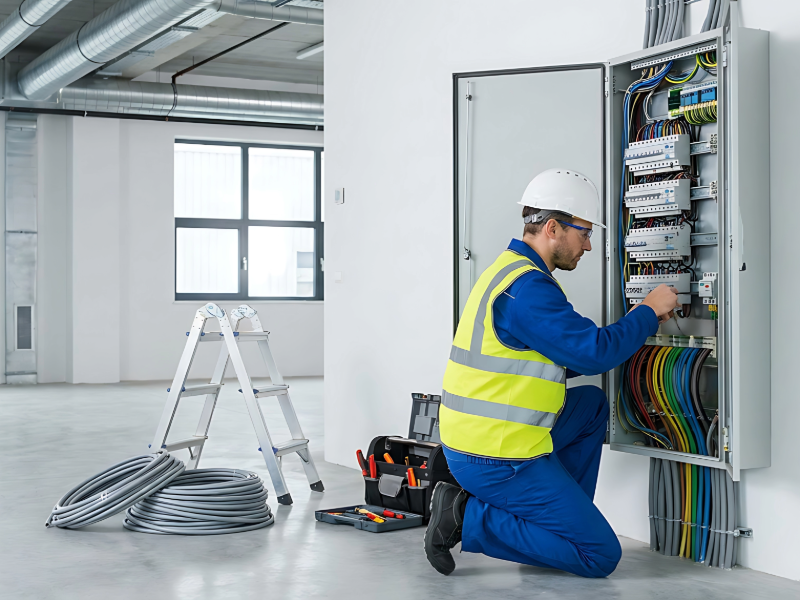
ICEL Power Systems engineering team installing a standby generator and UPS system.

Strategic acquisition by Bouygues

Bouygues is one of France's largest diversified industrial groups, with construction, energy and services, telecoms and media operations across more than 80 countries.

The acquisition placed ICEL inside Bouygues' ETDE division, which delivers facilities management and electrical infrastructure services — including public building maintenance and street lighting contracts across several London boroughs.

ICEL's installed base, technical expertise and long-standing UK customer relationships added a credible critical power capability to ETDE's UK service footprint, and gave the existing ICEL customer base access to a substantially deeper resource pool.


How the deal came together

The market backdrop

The UK critical power market was consolidating through the late 1990s and 2000s as data centre growth, hospital infrastructure investment and tightening business continuity expectations drove demand for resilient standby power.

Independent specialists with installed service bases — recurring maintenance revenue, long-tenured engineering teams, and direct customer relationships — became attractive bolt-on targets for larger facilities management and electrical contracting groups looking to add a specialist capability without building it from scratch.

ICEL fitted that profile precisely: an established Kent-based independent with a recognisable name, a balanced new-installation and service-revenue mix, and three working shareholders aligned on a managed exit.

Finding the right acquirer

The shareholder objective was not a quick sale to the most obvious domestic competitor. It was to find a buyer who would value the installed base and the engineering team as strategic assets rather than restructuring opportunities.

The buyer search ran across UK trade buyers, European industrial groups with UK consolidation strategies, and infrastructure-services platforms with appetite for a critical power capability.

Bouygues' ETDE division emerged as a strong fit on three counts: an existing UK service footprint that ICEL's capability genuinely extended, a long-horizon ownership model rather than a financial-buyer flip, and a stated commitment to retaining the operational team and customer service standards.

Running a process that protected value

Competitive tension was generated through a structured approach across multiple credible buyer types, with each invited to articulate not only price but post-completion intent — customer retention, team continuity, and the ICEL brand's role inside a larger group.

The financial narrative was built around maintainable EBITDA with a clear bridge from reported operating profit, supported by service-contract recurring revenue and a customer concentration analysis that withstood buyer scrutiny.

Confidentiality was tightly managed throughout: customers and staff were briefed only after heads of terms were agreed, protecting trading performance and team stability through the live process.

Completing on the right terms

The deal completed on a 100% share sale for an undisclosed cash consideration, with all three shareholders exiting cleanly. Team continuity was a stated deal term.

The ICEL brand was retained inside the Bouygues ETDE division at completion, with the 120-strong team and the UK customer base transferring in full.

For the founders, the outcome delivered a fair valuation against the trading profile, a credible long-term home for the business they had built, and a structured handover that protected both the employees and the customer relationships that had carried the business for forty years.

Enhancing the Bouygues UK service ecosystem

The acquisition strengthened Bouygues' ability to deliver integrated electrical and critical power services to UK public-sector and commercial customers.

For ETDE's existing London borough facilities and street lighting contracts, ICEL's generator and UPS expertise opened immediate cross-sell opportunities into resilience and standby power workstreams that had previously sat with third-party specialists.

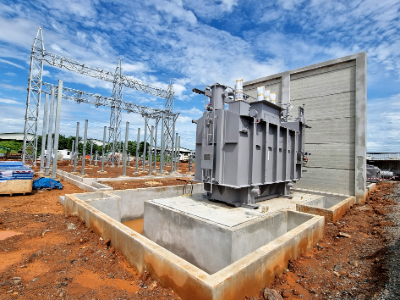
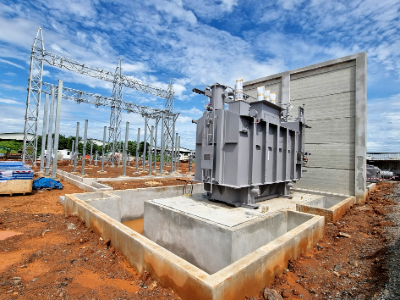
Bouygues ETDE division electrical infrastructure services, into which ICEL was integrated.
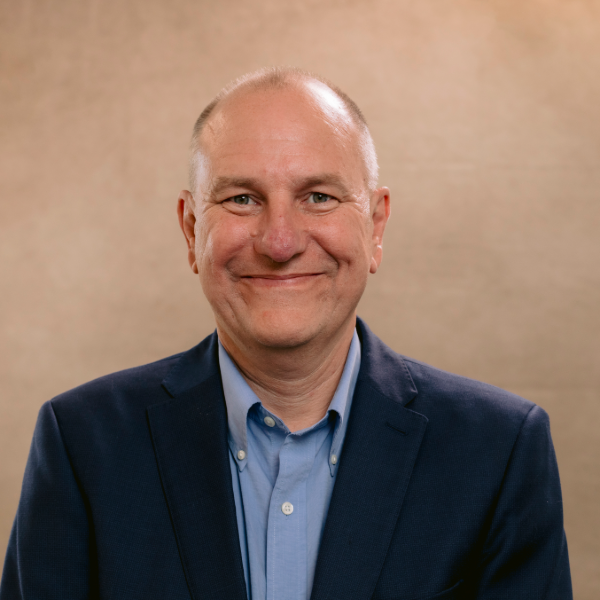
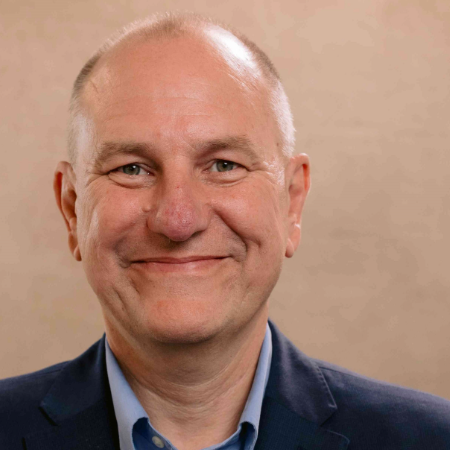
Mark Sapsford, sell-side M&A advisor who led the ICEL Power Systems sale to Bouygues.

M&A advisory support

The shareholders of I.C.E.L. Power Systems were advised throughout the process by Mark Sapsford, who led negotiations across multiple buyer relationships and structured the final transaction with Bouygues.

"ICEL was a textbook case of an independent UK specialist with a real installed base, a real team, and three shareholders who wanted to do this once and do it properly. The work was matching them with a buyer whose long-term intent for the business matched their own — and then defending that valuation through to completion." — Mark Sapsford

About I.C.E.L. Power Systems

I.C.E.L. Power Systems Ltd was a Maidstone, Kent-based UK supplier and service provider of standby diesel generators and uninterruptible power supply systems.

Founded in 1977, the business served customers across data centres, healthcare, public buildings and commercial property. At the point of acquisition, ICEL employed 120 staff and reported £7m revenue.

About Bouygues

Bouygues is a diversified French industrial group operating in construction, energy and services, telecoms and media across more than 80 countries.

Its ETDE division — at the time of acquisition — delivered electrical engineering, facilities management and infrastructure services, including UK public-sector contracts for building maintenance and street lighting.

ETDE was subsequently rebranded as Bouygues Energies & Services.

What acquirers value in this sector

Acquirers in this sector pay primarily for installed base economics: the recurring service and maintenance revenue attached to UPS systems and standby generators already in the field. They value a balanced mix of new-installation revenue and contracted service income, low customer concentration, and a long-tenured engineering team. A documented service contract book with clear renewal rates is often more important to valuation than headline revenue growth. UK-based buyers and European industrial groups with UK service operations are typically the most active acquirers, and the highest multiples go to businesses that can demonstrate both technical depth and service-revenue durability.
UK mid-market M&A buyers — typically larger electrical contractors, facilities management groups and European industrial platforms — assess critical power businesses against a defined commercial framework. They look at installed base size and geographic density, recurring maintenance revenue as a percentage of total turnover, customer sector mix (data centres and healthcare command a premium), engineering headcount and tenure, and exposure to single-customer concentration risk. EBITDA quality is scrutinised hard: one-off project margins are stripped out and adjusted EBITDA is built up from underlying service-contract economics. A clear bridge from reported operating profit to maintainable EBITDA is essential for defending valuation through heads of terms and due diligence.
Large European industrial groups — Bouygues, Vinci, Eiffage, Engie and others — have consistently used UK acquisitions to scale their facilities management and electrical services divisions outside the eurozone. The UK market is attractive because of its scale, the long-term nature of public-sector facilities contracts, and the fragmentation of the specialist electrical installation segment. UK-based independent operators with critical power capability, established customer relationships and trained engineering teams are difficult to build organically and quick to integrate into an existing service platform. For UK founders, that creates a recurring buyer-type with genuine appetite, long ownership horizons, and a track record of retaining acquired brands and teams.
The installed base — every generator, UPS and switchgear installation under an active service or maintenance contract — is the primary asset acquirers underwrite. They assess contract renewal rates over the trailing three to five years, average contract length, price per service visit, and the strategic importance of the protected load to the customer. A data centre or hospital UPS contract carries a materially higher renewal probability than a commercial property generator contract. Acquirers also look at the spare parts and consumables revenue tied to the installed base, which often delivers higher gross margins than the core service contract itself. A well-documented installed base register, with customer, asset, contract terms and service history, is one of the highest-impact pre-sale preparation steps a founder can take.

Medium and longer-term founder challenges

The most valuable preparation work in this sector happens 18 to 36 months before going to market. Three actions matter most: documenting the installed base and service contract economics so a buyer can underwrite recurring revenue with confidence; reducing the founder's direct customer-relationship dependency by transferring key accounts to named team members; and tightening the financial reporting so that maintainable EBITDA can be defended without reliance on management add-backs. A multi-year track record of clean audited accounts, a stable senior engineering team, and a demonstrable pipeline of new-installation work alongside the service book all materially improve valuation. CapEQ's Three-Year Exit Roadmap is built around exactly this preparation cycle.
Key-man risk is the term acquirers use when too much of a business's customer pipeline, technical authority or commercial decision-making sits with one or two individuals — usually the founder. In the UK electrical contracting and critical power sector, where customer relationships are often built over decades by a founder personally calling on procurement and facilities teams, this risk is structural rather than operational. It suppresses valuation because the buyer has to discount for the probability of customer loss after the founder exits. The mitigation is a deliberate two-year transition: customer relationships are formally transferred to senior account managers, tender authority is delegated, and the founder steps back from frontline customer contact in a documented, observable way. Buyers reward businesses where the leadership team rather than the founder owns the customer base.
Multi-shareholder electrical and contracting businesses — typically with two or three working founders each holding a meaningful equity stake — face a specific exit challenge: each shareholder usually has a different view on price, timing, post-completion involvement, and the cultural fit of the buyer. Resolving these differences before going to market is essential. The practical mechanism is a shareholder pre-sale workshop, ideally facilitated by the M&A advisor, that surfaces each shareholder's individual position on minimum acceptable price, earliest and latest acceptable completion date, willingness to stay on post-completion, and red-line buyer characteristics. Documented alignment up front prevents the most damaging outcome in any process: a shareholder dispute surfacing at or after heads of terms, when buyer trust and competitive tension are both fragile.
CapEQ is Europe's first Certified B Corporation M&A boutique, certified in 2021. For founders of UK electrical contracting and critical power businesses — sectors where engineering teams have often spent decades together and where customer relationships outlast any individual contract — that certification matters in three practical ways. First, it independently verifies that the advisor prioritises the client outcome over deal income, including the willingness to recommend not selling when the timing or terms are wrong. Second, it signals a structured commitment to staff and customer-protection terms inside the deal itself. Third, it provides external validation of advisor independence — CapEQ holds no audit, tax or other service-line relationships that could create a conflict of interest in advising on a sale. For founders who care about the long-term home for the business and team, that combination is difficult to replicate.

We'd love to hear your story

Whether you're three years from an exit or fielding inbound approaches now, an early conversation costs nothing and clarifies a great deal.

Mark Sapsford has personally advised on more than 50 completed sell-side transactions on five continents. 

Mark Sapsford, sell-side M&A advisor who led the ICEL Power Systems sale to Bouygues.