Frank Hudson acquired by Gallery Direct 

Gallery Direct, the design-led UK furniture and homewares group, acquired Frank Hudson — a third-generation High Wycombe furniture manufacturer — in a 2014 transaction that protected the family legacy and gave the brand the international platform to scale.

Douglas Edmunds advised the Hudson family shareholders on the sale. 

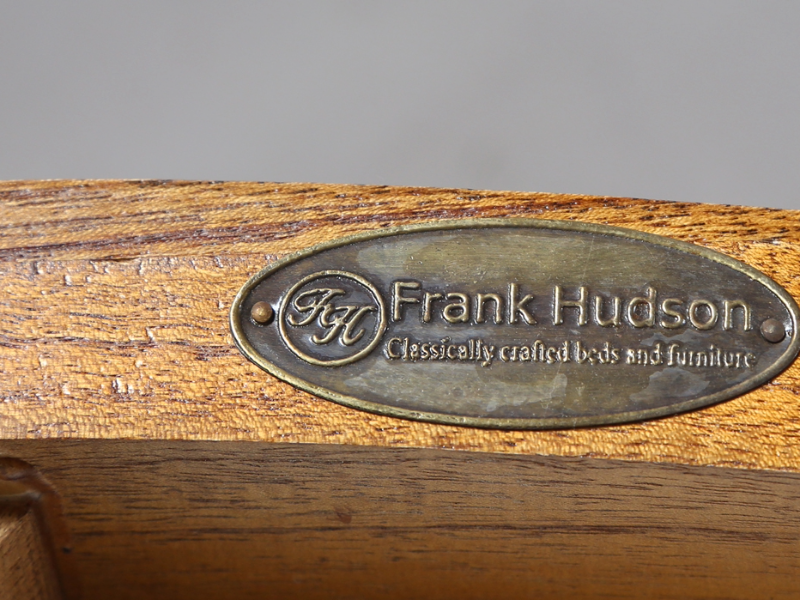
Frank Hudson logo — third-generation High Wycombe furniture manufacturer acquired by Gallery Direct in 2014
Gallery Direct logo — UK design-led furniture and homewares group that acquired Frank Hudson in 2014

Overview of Frank Hudson

Founded in 1955 by Frank Hudson, the business spent six decades building a reputation for handcrafted dining and living-room furniture, supplying exclusive homes, hotels and trade buyers across the UK and internationally.

By the time of the 2014 transaction, Frank Hudson was led by the third generation of the founding family — Tim, James and Tom Hudson — and remained a privately owned, design-led manufacturer based in High Wycombe, the historic heart of the British furniture trade.

The business sat in a sector defined by long product cycles, skilled craftsmanship and trade relationships built over decades, where buyers consistently look for brand provenance, design integrity and a credible succession story.
Deal at a glance

Target Frank Hudson
Acquirer Gallery Direct
Completion date 2014
Deal value Undisclosed
Deal structure Trade sale — share acquisition
Sell-side M&A advisor Douglas Edmunds Now CapEQ
Sector Furniture manufacturing (UK SIC C31)
Target HQ High Wycombe, United Kingdom
Founded 1955
Ownership at completion Hudson family — third generation
Customer base UK and international trade; residential and hospitality
Post-acquisition status Operating as a Gallery Direct brand; Hudson family retained in strategic roles; Hudson Living Collection launched post-completion
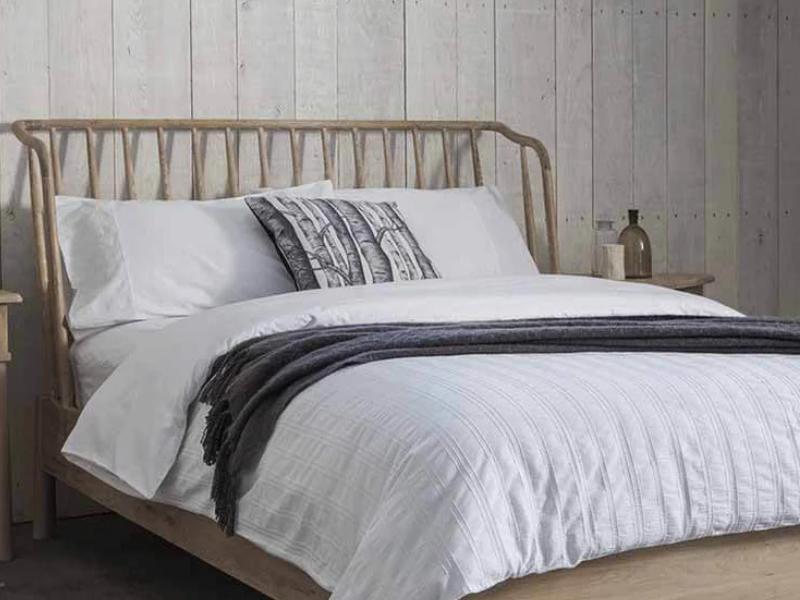
Detail of Frank Hudson bedroom furniture craftsmanship that drove Gallery Direct's 2014 heritage acquisition

Strategic acquisition by Gallery Direct

Gallery Direct was founded in 1973 and had grown into one of the UK's leading design-led furniture and homewares businesses, with distribution across 16 countries at the time of the deal and a £13m turnover.

The acquisition added a respected heritage brand, a third-generation manufacturing team and a premium dining and living-room collection to Gallery Direct's portfolio, complementing its existing design, logistics and international distribution capabilities.

For Gallery Direct, Frank Hudson was a strategic capability acquisition rather than a financial play — adding craftsmanship credentials and a recognised name to a platform engineered for international scale.

How the deal came together 

The market backdrop

The UK furniture manufacturing sector in 2014 sat at the intersection of two long-running structural pressures: a steady decline in domestic production capacity, and rising consolidation among design-led homewares groups looking to add scale and heritage in a single move.

High Wycombe — historically the centre of British cabinet-making — had thinned out considerably, which made remaining family-owned manufacturers genuinely scarce.

Acquirers in this market were not paying for revenue alone; they were paying for brand provenance, skilled production teams that could not be replicated, and the international growth optionality that a respected name unlocks.

That backdrop framed every conversation we held on behalf of the Hudson family.

Finding the right acquirer

The Hudson family's brief was clear from the first conversation: protect the brand, protect the team, and find a partner with the operational platform to take Frank Hudson international.

A trade sale to a like-for-like furniture manufacturer would have meant absorption; a financial buyer would have meant performance pressure that conflicted with the brand's long product cycles.

The right buyer profile was a design-led homewares group with existing international distribution, complementary rather than competing product categories, and a cultural fit with a family-owned heritage manufacturer. Gallery Direct sat squarely inside that profile — design-led, internationally distributed, and structurally capable of integrating a heritage brand without diluting it.

Running a process that protected value

The process was structured to generate genuine competitive tension while protecting confidentiality — critical for a third-generation family business where staff, trade customers and supply partners had relationships measured in decades.

Buyer engagement was sequenced rather than blanket; financial information was released in stages calibrated to demonstrable buyer intent; and the valuation narrative was built around defensible commercial metrics rather than headline turnover.

The Hudson family were positioned not as exiting sellers but as future stewards of the brand inside a larger platform — a framing that materially affected the structure of the deal that ultimately completed.

Completing on the right terms

The transaction completed in 2014 with the Hudson brothers retaining strategic operational roles inside the combined business.

Tim, James and Tom Hudson each took on defined responsibilities — most visibly James leading business development for the furniture division and Tom heading quality — protecting the design and production standards that defined the brand. The Frank Hudson inventory was relocated to a new warehouse and integrated into Gallery Direct's sales channels; the brand identity, design language and craftsmanship credentials were retained intact.

By 2022, the combined business reported turnover of approximately £45m, with around 25 per cent generated from overseas sales — evidence of the international growth thesis the acquisition was built on.

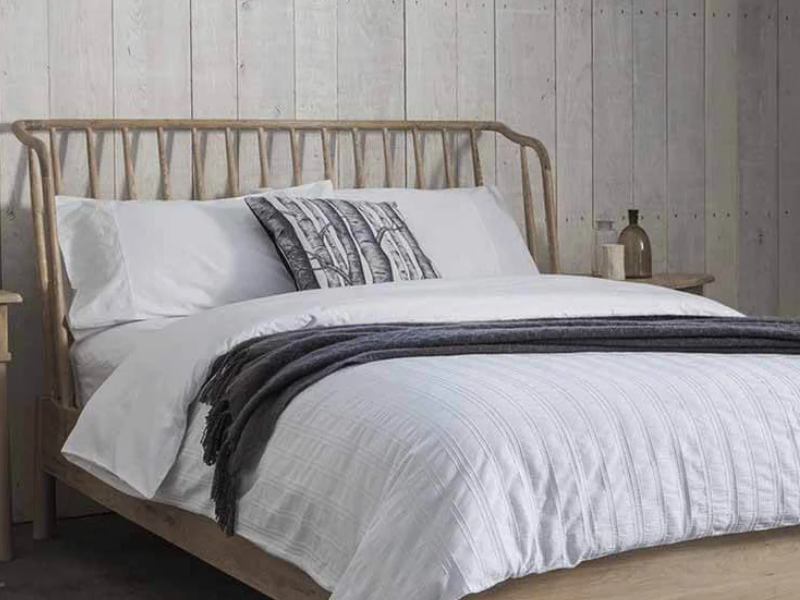
Detail of Frank Hudson living-room furniture craftsmanship that drove Gallery Direct's 2014 heritage acquisition

Enhancing the Gallery Direct product ecosystem

The acquisition expanded Gallery Direct's furniture offer into the mid- to top-tier dining and living-room categories, anchored by the Hudson Living Collection. Frank Hudson's design provenance and the family's continued involvement gave Gallery Direct a credible heritage proposition to take to international trade buyers, while Gallery Direct's distribution platform unlocked markets that an independent High Wycombe manufacturer could not have reached at the same pace.

The combined business now sits across the design-led mainstream and the heritage premium segments of the UK furniture market.

M&A advisory support

Douglas Edmunds — now a Partner at CapEQ — advised the shareholders of Frank Hudson on the sale of their business to Gallery Direct.

"The Hudson family had built something genuinely rare — a third-generation, design-led British manufacturer with a credible international brand. The brief was to find the partner who could honour that legacy and give it the platform to scale. Gallery Direct met both tests." — Douglas Edmunds, Partner, CapEQ

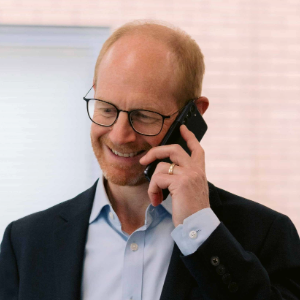
Douglas Edmunds, CapEQ Partner, advised the Hudson family shareholders on the 2014 sale of Frank Hudson

About Frank Hudson

Established in High Wycombe in 1955 by Frank Hudson, the business built a six-decade reputation for handcrafted dining and living-room furniture supplied to exclusive homes, hotels and trade buyers across the UK and internationally.

Now part of Gallery Direct, the Frank Hudson brand continues to be developed under the stewardship of the third generation of the founding family, with the Hudson Living Collection extending the brand's design language into new categories while maintaining the craftsmanship and quality standards on which the original business was built.

About Gallery Direct

Founded in 1973, Gallery Direct is a UK-based designer, manufacturer and distributor of furniture and homewares for residential and trade buyers.

With international distribution across more than 16 countries at the time of the Frank Hudson acquisition, the group has continued to scale internationally, reporting turnover of approximately £45m by 2022.

Gallery Direct's positioning combines design-led product development with logistics and trade infrastructure built to support multi-territory growth.

Client commentary 

"For three generations, the Frank Hudson team have crafted some of the most desirable and fashionable furniture in the market."

— Peter Delaney, Managing Director, Gallery Direct


"My grandfather Frank and father Rex would be proud of our business today and the direction we are now taking it."

— Tim Hudson, third-generation Hudson family shareholder 


Frequently asked questions

What acquirers value in UK furniture and homewares M&A

Strategic acquirers in UK furniture pay a premium for three things in combination: a defensible brand with credible heritage, a skilled production team that cannot be quickly rebuilt elsewhere, and a customer base that travels with the brand rather than the individual founder. Revenue and EBITDA matter, but they set the floor — not the ceiling. Buyers will model the upside they believe they can unlock by combining the target with their own distribution, design or international platform. For mid-market UK M&A processes in this sector, the valuation conversation is won or lost on whether the seller's advisor can articulate that combined-business upside in defensible commercial terms.
Heritage is not a fixed multiple uplift — it is a function of how scarce the brand is, how transferable its reputation is to new product categories, and how credibly the seller can demonstrate that the brand has commercial value independent of the founders. A 60-year-old family-owned brand with active trade recognition and a third generation in the business is genuinely rare in UK furniture manufacturing, and rarity drives competitive tension. In our experience advising UK mid-market manufacturing founders, the premium is captured by structuring a process that surfaces buyers for whom the heritage unlocks a strategic capability — not buyers treating the deal as a financial purchase.
Building brand heritage organically takes decades; acquiring it takes a transaction. For design-led groups with international distribution already in place, a heritage acquisition compresses years of brand-building into a single deal and immediately unlocks new price tiers — typically the mid- to top-tier of a category the acquirer already serves at the mainstream end. The economics are also defensive: a credible heritage brand inside the portfolio is harder for a competitor to replicate or attack. This is why family-owned UK furniture manufacturers with intact brand provenance attract sustained interest from acquirers building international platforms.
Buyers want to see that the value of the business is not concentrated in one or two individuals. In a family-owned manufacturer, that means demonstrating that production knowledge, design judgement and trade relationships are distributed across a team — not held solely in the founder's head. Acquirers will scrutinise the second tier of management, the documented production processes and the durability of customer relationships. Where the family wants to remain involved post-completion in strategic or quality-focused roles, that can be a positive: it signals continuity, protects the brand during integration, and gives the buyer time to embed the acquisition without disrupting the production base.

Medium and longer-term challenges for family-owned UK manufacturing founders

Legacy protection is not achieved by sentiment — it is achieved by structure. The right buyer is identified through a process that screens for cultural and strategic fit, not just price. From there, legacy is protected by specific deal terms: continued use of the family brand, retention of named individuals in defined roles, protection of production locations and skilled staff, and clarity on the integration plan. As a Certified B Corporation, CapEQ writes these protections into deal terms as a matter of practice — and the firm's track record advising family-owned manufacturers is built on the reality that founders walk away from higher offers when the cultural fit is wrong. A legacy-first M&A advisor frames this as a feature of the process, not a constraint on it.
The two most common are shareholder misalignment and key-person concentration. By the third generation, ownership has typically diversified across family members with different appetites for risk, different financial circumstances, and different views on whether to continue, sell or recapitalise. Resolving that internally before approaching the market is the single most valuable pre-sale exercise a family business can undertake. The second risk is concentration of commercial relationships, production knowledge or design authority in one or two family members — which directly suppresses valuation unless mitigated 12 to 24 months ahead of a process. CapEQ's Three-Year Exit Roadmap is built specifically to address both of these challenges before they appear in due diligence.
Most founders underestimate the lead time. Two to three years of structured preparation is the band that consistently produces the strongest outcomes, and that is the horizon CapEQ's Three-Year Exit Roadmap is designed around. Inside that window you can address the levers that materially affect valuation in a furniture-sector exit: reducing key-person dependency, formalising design IP and production processes, strengthening the second-tier management team, cleaning up financial reporting to audit-grade, and positioning the brand narrative for the right acquirer profile. Founders who approach the market with 12 weeks of notice almost always leave value on the table — not because the business is weak, but because the buyer never sees it at its best.
B Corp certification is independently verified — not self-declared — and the standards cover how the firm treats clients, staff and the wider community. For a family business owner, that matters in two concrete ways. First, a B Corp advisor is structurally committed to client outcome over deal income: CapEQ will tell a founder not to sell when the timing or terms are wrong, even when that costs the firm a fee. Second, the team continuity and culture that B Corp standards require translate directly into advisory quality — the partner you meet on day one is the partner negotiating heads of terms two years later. CapEQ became Europe's first Certified B Corporation M&A boutique in 2021, and that pioneer status remains a structural differentiator in UK mid-market M&A advisory.

We'd love to hear your story

 Selling a family manufacturing business is rarely a financial decision alone.

If you are weighing succession, scale or a clean exit — and want a conversation rather than a pitch — start where most CapEQ clients start: an informal call with Doug. 

Douglas Edmunds, CapEQ Partner, advised the Hudson family shareholders on the 2014 sale of Frank Hudson