Biokinetics acquired by Foster Wheeler

In February 2008, global engineering and construction group Foster Wheeler Ltd. acquired 100% of Philadelphia-based biopharmaceutical process design firm Biokinetics Inc. — with Mark Sapsford (now Co-founder and Partner at CapEQ) advising the Biokinetics shareholders.


Biokinetics logo — Philadelphia biopharmaceutical process design firm acquired by Foster Wheeler in 2008
KB	Foster Wheeler logo — NASDAQ-listed global engineering and construction group, acquirer of Biokinetic

Overview of Biokinetics

Biokinetics was founded in 1996 in Philadelphia, Pennsylvania and built its reputation as a specialist process systems design firm serving the global biopharmaceutical industry.

By the point of sale, the company employed approximately 130 professionals across offices in Pennsylvania, California, North Carolina, and Carlow, Ireland.

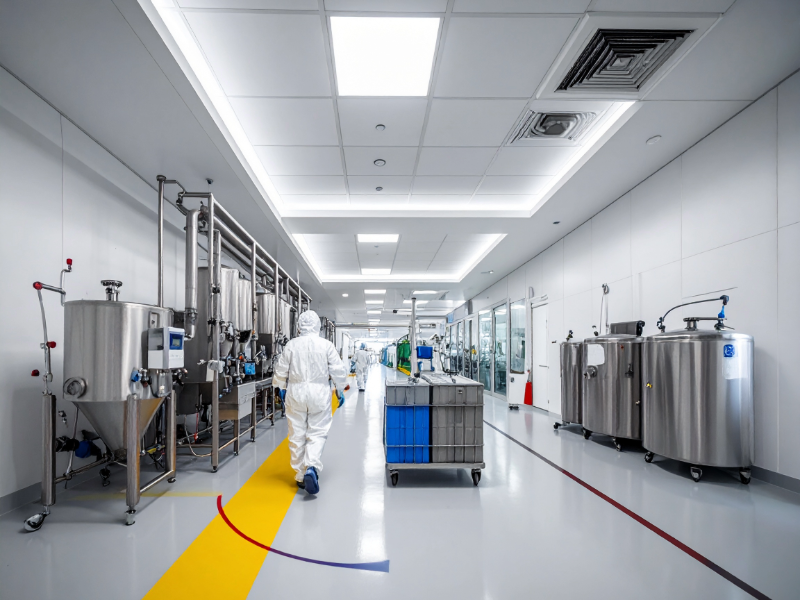
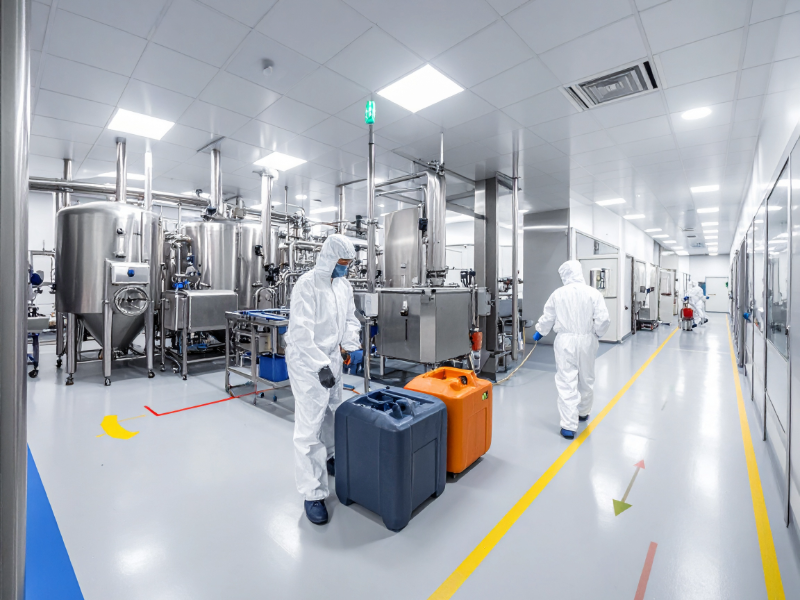
The business specialised in bioprocess unit operations — bacterial and yeast fermentation, mammalian cell culture, live and attenuated virus processing for vaccines, plasma-derived product development, pharmaceutical fill-finish, high-purity water systems, and validation services.

Its client base spanned global pharmaceutical and biotechnology companies investing in capacity expansion across North America and internationally.


Deal at a glance

Target Biokinetics Inc.
Acquirer Foster Wheeler Ltd. (NASDAQ: FWLT) — Global Engineering & Construction Group
Announcement date 25 February 2008
Deal value Undisclosed
Deal structure 100% share acquisition from MPA Holdings LP (cash consideration; terms undisclosed)
Sell-side M&A advisor Mark Sapsford Now CapEQ
Sector Biopharmaceutical process systems design / specialist engineering consultancy
Target HQ Philadelphia, Pennsylvania, USA
Target founded 1996
Target employees at completion Approximately 130
Operating footprint Pennsylvania, California, North Carolina (USA) and Carlow (Ireland)
Target shareholders at sale MPA Holdings LP — William Brydges, James Dougherty, Anthony Contino
Acquirer HQ Hamilton, Bermuda (operational HQ: Clinton, New Jersey, USA)
Post-deal status Operates as a specialist business within Foster Wheeler's Global Engineering & Construction Group; existing leadership team retained
biokinetics-foster-wheeler-acquisition-hero

Strategic acquisition by Foster Wheeler

Foster Wheeler Ltd. — headquartered in Hamilton, Bermuda, with operational headquarters in Clinton, New Jersey — acquired 100% of the share capital of Biokinetics from MPA Holdings LP, the Delaware limited partnership owned by the company's three principals. The transaction value was not disclosed.

Under the terms of the purchase agreement, the existing leadership team — William Brydges, James Dougherty, and Anthony Contino — continued to lead the business post-completion, preserving operational continuity and client relationships.

For Foster Wheeler, the acquisition re-established its position in the North American pharmaceutical market and added a specialist biopharma engineering capability to its Global Engineering & Construction Group. For Biokinetics, joining a global engineering and construction platform unlocked international project access that would have been difficult to reach as an independent specialist.

How the deal came together

Market backdrop

The mid-2000s saw a structural acceleration in biopharmaceutical capacity investment across North America — driven by the maturing biologics pipeline, demand for vaccine manufacturing capacity, and the shift towards single-use and modular process design.

Demand for specialist process engineering outstripped the supply of credible firms able to deliver bioprocess unit operations at scale.

Biokinetics sat in a defensible position within that market: a 12-year operating history, an experienced senior team, and validated capability across the technical disciplines acquirers most valued.

The narrow pool of comparable independent firms made the business a strategically scarce asset to any global engineering and construction group looking to re-enter or strengthen its North American biopharma offering.

Finding the right acquirer

Mark Sapsford advised the Biokinetics shareholders on the structuring and negotiation of the transaction. The principals — William Brydges, James Dougherty, and Anthony Contino — were clear from the outset that price was not the only criterion.

The right acquirer needed to value the technical platform, retain the senior team, and provide a route to the larger, capital-intensive projects that an independent specialist could not pursue alone.

The buyer universe was carefully scoped: large engineering and construction groups with a stated growth strategy in life sciences, the financial firepower to fund organic-plus-acquisitive growth, and a cultural fit with a specialist team accustomed to technical autonomy. Foster Wheeler — with a publicly stated commitment to growing its pharmaceutical, biotechnology, and healthcare segment, and the Global Engineering & Construction Group structure within which Biokinetics could operate as a recognised specialist business — emerged as the strongest fit.

Running a process that protected value

The process was structured to defend a valuation based on Biokinetics' specialist position and the strategic scarcity of comparable assets, rather than a generic engineering-services multiple. Equally important was the negotiation of post-completion terms: continuity of leadership, retention of the technical team, preservation of the operating footprint across Pennsylvania, California, North Carolina, and Ireland, and clarity on how the business would sit within Foster Wheeler's broader life sciences offering.

The non-monetary protections — particularly around staff continuity, operating autonomy, and client relationships — were as material to the shareholders as the headline consideration. The structure of the deal reflected that.

Completing on the right terms

Foster Wheeler announced completion on 25 February 2008. Biokinetics joined Foster Wheeler's Global Engineering & Construction Group, with the three principals continuing as the senior leadership team.

The acquisition gave Foster Wheeler immediate, market-credible re-entry into North American pharmaceutical engineering, and gave the Biokinetics team access to a global project pipeline and balance sheet they could not have replicated alone.

Enhancing the Foster Wheeler life sciences platform

The acquisition added validated biopharma process design capability to Foster Wheeler's existing engineering, procurement, and construction portfolio — strengthening its position with US-headquartered pharmaceutical companies investing both domestically and internationally.

It also extended Foster Wheeler's geographic footprint in the high-purity manufacturing cluster around Carlow, Ireland — a long-standing centre of European pharmaceutical production.

For Biokinetics' clients, the practical effect was access to a larger engineering and construction platform without disruption to the senior technical relationships built up over more than a decade.


Bioprocess engineering work of the type delivered by Biokinetics across pharmaceutical and biotech clients

M&A advisory support

The transaction was led by Mark Sapsford, who advised the Biokinetics shareholders on strategy, buyer selection, negotiation, and completion. Mark went on to co-found CapEQ in 2020.

"The pharmaceuticals, biotechnology and healthcare market is a core market segment for Foster Wheeler, and one in which we are committed to growing our market share.

This acquisition complements our strategy of growth through targeted acquisitions of leading specialist engineering businesses, and we are confident the combined expertise of Foster Wheeler and Biokinetics will bring substantial value to pharmaceutical companies developing projects in the U.S. and globally."

Umberto Della Sala, COO, Foster Wheeler.

Client feedback

"Thank you for helping me and my partners when we sold our business.

"I believe due to your personal efforts, we received 25 to 50% more for our business than we would have otherwise.

"The process you laid out and the effort you expended, along with your professional attitude and personality kept the discussions going with multiple suitors, even with some very difficult and tough negotiators.

"And, your support in vetting the potential acquirers so that we not only maximised the price, we did so with a partner that, also, met all of our non-monetary  requirements."


Bill Brydges, President

Biokinetics Inc (USA)

About Biokinetics

Founded in 1996 and headquartered in Philadelphia, Pennsylvania, Biokinetics Inc. is a process systems design firm serving the global biopharmaceutical industry.

The company employs approximately 130 professionals across operations in Pennsylvania, California, North Carolina, and Carlow, Ireland.

Its expertise spans bioprocess unit operations including bacterial and yeast fermentation, mammalian cell culture, live and attenuated virus processing for vaccines and plasma-derived products, pharmaceutical fill-finish, process simulation, modular process design, high-purity water systems, and validation services.

About Foster Wheeler

Foster Wheeler Ltd. (NASDAQ: FWLT at the time of acquisition) is a global engineering and construction group headquartered in Hamilton, Bermuda, with operational headquarters in Clinton, New Jersey.

The group serves clients across upstream oil and gas, LNG, refining, petrochemicals, power, and life sciences, delivering engineering, procurement, and construction solutions through its Global Engineering & Construction Group and Global Power Group.

In 2014, Foster Wheeler merged with AMEC PLC to become Amec Foster Wheeler. In 2017, Amec Foster Wheeler was merged into Wood Group. 

Frequently asked questions

What acquirers value in specialist biopharma engineering targets
Specialist process design firms hold capabilities that are difficult and slow to build organically — particularly in bioprocess unit operations such as fermentation, mammalian cell culture, vaccine processing, and high-purity water systems. Global engineering and construction groups acquiring these capabilities gain immediate, market-credible entry to high-value life sciences mandates, access to validated client relationships, and a senior technical team that would take five to ten years to recruit and develop. For UK and US founders, this is one of the clearest M&A value drivers in the specialist engineering segment: scarcity of comparable independent firms with multi-year operating history.
Engineering consultancies are typically valued on a maintainable EBITDA multiple, adjusted for client concentration, key-person dependency, the recurring or framework nature of revenue, and the depth of senior technical bench. Specialist firms in scarce capability areas — bioprocess, high-purity water, regulated environments — frequently attract strategic premiums above generalist multiples. A credible UK mid-market M&A advisor will model both an EBITDA-multiple baseline and a strategic-scarcity overlay, and defend the latter under buyer scrutiny at heads of terms. Cross-border deals add a further layer: currency, jurisdictional tax, and integration cost assumptions all need to be tested before a valuation is presented to an acquirer.
Acquirers in life sciences services look first for validated technical capability — measured by completed projects, regulatory track record, and named senior personnel — followed by client quality (blue-chip pharmaceutical and biotech names, framework agreements, repeat revenue), geographic footprint in active manufacturing clusters, and management continuity post-completion. IP, proprietary methodology, and validated systems also command premiums. Selling a life sciences business successfully requires presenting these dimensions in a way that an acquirer's strategy team can map directly onto its own growth thesis — not simply as a financial summary.
In specialist engineering, the leadership team is frequently the single biggest determinant of valuation defensibility. Acquirers know that client relationships, technical credibility, and project delivery sit with named individuals. A deal structure that retains the senior team — often through earn-outs, retention packages, and clear post-completion authority — protects both the acquirer's investment thesis and the seller's valuation. In the Biokinetics transaction, the agreement that the three principals would continue to lead the business was material to the structure and to the outcome.
Founder challenges in specialist engineering and life sciences exits
Team protection has to be written into the deal — not assumed. The two most effective mechanisms are buyer selection (screening out acquirers whose stated strategy is cost-led consolidation) and contractual protections (retention packages, named-role commitments, operational autonomy clauses, and clear reporting structures inside the acquirer's organisation). A sell-side M&A advisor whose process puts non-monetary criteria on the same shortlist screen as price will produce a materially different buyer pool from one that does not. This was a central theme in the Biokinetics transaction: the leadership team continued post-completion within Foster Wheeler's Global Engineering & Construction Group.
Cross-border M&A introduces four recurring complications: dual-jurisdiction tax structuring, currency risk in deferred or earn-out consideration, regulatory and licensing transfer (particularly in regulated sectors), and the cultural compatibility of management teams expected to work together post-completion. A UK M&A advisor experienced in cross-border deals will scope these risks before the buyer universe is approached — not after heads of terms — and will coordinate with local counsel and tax advisors in each relevant jurisdiction. Skipping the early scoping is the single most common cause of cross-border deals collapsing in due diligence.
A well-prepared sale process typically runs nine to twelve months from advisor appointment to completion, with preparation and pre-marketing accounting for the first three to four months. Specialist and cross-border deals sit at the upper end of that range. Founders who engage an M&A advisor twelve to twenty-four months ahead of a target sale window — through a structured pre-sale roadmap — consistently achieve cleaner outcomes and stronger valuations than those who run a process from a standing start. The shape of the buyer universe in specialist segments is the largest determinant of timeline.
Founders should look for three things in a UK sell-side M&A advisor: relevant sector and deal-size track record (not just headline transaction counts), a Partner-led engagement model where the senior advisor is involved from first conversation to completion, and demonstrable independence — no conflicts of interest from audit, tax, or other service-line relationships with the same client. CapEQ is Europe's first Certified B Corporation M&A advisor: the certification provides independently verified accountability for client-first behaviour, including the willingness to advise a founder not to sell when the timing or terms are wrong. The Biokinetics transaction was advised by Mark Sapsford, who subsequently co-founded CapEQ in 2020.

We'd love to hear your story

Let's chat about your future plans. We can help you get clear on where your business journey is going.