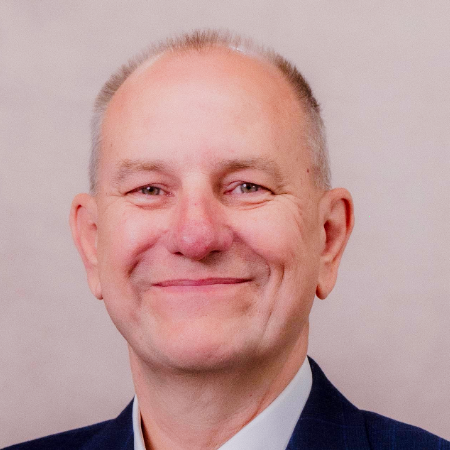
Abird Generator Hire acquired by HSS Hire

Mark Sapsford advised the shareholders of Abird Generator Hire, one of the UK's largest independent diesel-electric generator hire businesses, on the sale of the company to HSS Hire Services Group.

The transaction completed in November 2012, eight years before Mark co-founded CapEQ. 

Abird Generator Hire logo — UK temporary power hire business acquired by HSS Hire
HSS Hire logo — national UK tools and equipment supplier that acquired Abird

Deal overview

Mark Sapsford — now Co-founder and Partner at CapEQ, the Certified B Corporation M&A advisory firm — advised the shareholders of Abird Generator Hire on the sale of the business to HSS Hire Services Group, the national supplier of tools, equipment, and related services.

The transaction completed in November 2012. Financial terms were not disclosed.

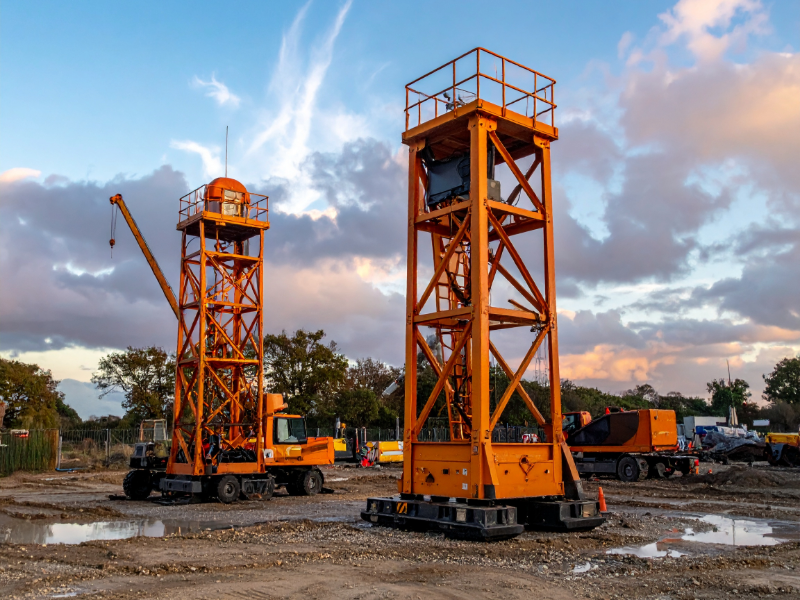
Abird Generator Hire supplied diesel-electric generators from 20 kVA to 1,250 kVA, together with a fleet of lighting towers, on short and long-term hire contracts.

Operating from seven depots across England and Wales — Grays in Essex, Kettering, Sandwich in Kent, Portchester in Hampshire, St Helens in Merseyside, Langley Park in County Durham, and Pontypool in Wales — the business employed 60 people and served customers across construction, industrial, events, marine, and offshore markets.

It was led by Managing Director Chris Anspack, who continued with the business after completion.

Deal at a glance

Target Abird Generator Hire Limited
Acquirer HSS Hire Services Group, United Kingdom
Completion date November 2012
Deal value Undisclosed
Deal structure Undisclosed
Sector Temporary power — generator and lighting tower hire (UK SIC N77.39)
Target HQ Kent, United Kingdom
Founded 1957
Managing Director at completion Chris Anspack
Depot network Seven depots across England and Wales
Employees at completion 60
Fleet Diesel-electric generators 20 kVA–1,250 kVA, plus lighting towers
Customer base Construction, industrial, events, marine, and offshore
Post-acquisition status Retained the Abird brand and management team within HSS Hire; sold with Apex Generators to CES Power in March 2024
```
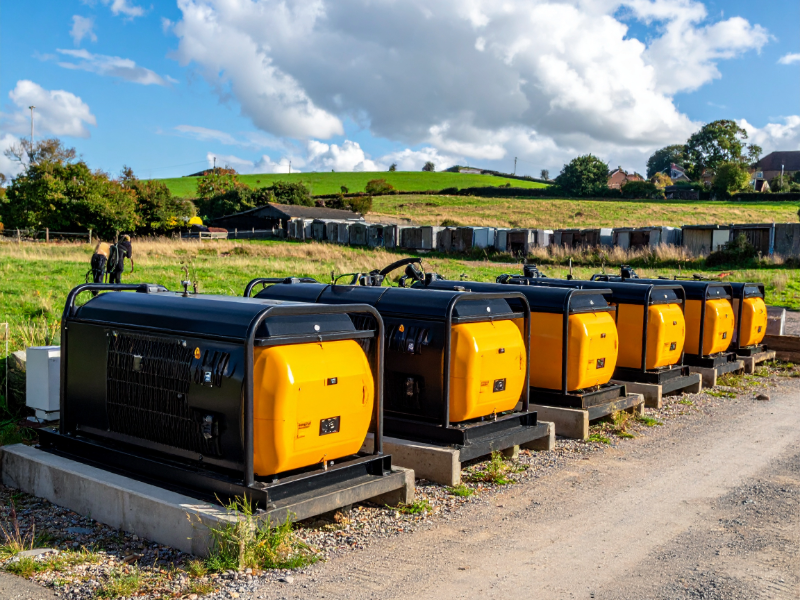
Abird diesel-electric generator fleet at a UK depot before the HSS Hire acquisition

A national platform for temporary power

HSS Hire acquired Abird days after securing new investment from Exponent Private Equity, which replaced previous owners Och-Ziff and Aurigo in October 2012.

Abird was the first acquisition of that new ownership period, and the anchor of what became HSS Hire's specialist power division.

The rationale was capability rather than cost. Abird gave HSS Hire access to large-capacity and specialist generators that its general hire fleet did not carry, and a depot network positioned to serve national temporary power contracts.

HSS Hire reported sales of £180.3m and profits of £39.9m for the financial year preceding the transaction, a 5% increase in sales year on year.

Abird continued to trade under its own brand and retained its management team and 60-strong workforce. HSS Hire subsequently acquired Apex Generators from Nevis Capital in 2014, pairing the two businesses to extend coverage into Scotland.

How the deal came together 

The market backdrop

UK equipment rental entered a consolidation phase in 2012 as private equity capital returned to the sector and the national hire groups moved to close capability gaps by acquisition rather than by organic fleet investment. Temporary power was one of the clearest gaps. Demand was growing across construction, events, and industrial maintenance, but the large-capacity generator fleets sat almost entirely with independent specialists rather than with the general tool hire groups.

That created a narrow, favourable window for an independent operator of scale. Abird held the fleet, the depot footprint, and the technical service capability that an acquiring group could not assemble quickly — and there were only a small number of UK businesses in that position.

The scarcity of comparable assets, not the size of the business, was the principal source of negotiating leverage.

Finding the right acquirer

The buyer universe for a specialist power hire business of this scale was deliberately narrow: national hire groups seeking to add a capability, private equity houses building rental platforms, and international power specialists looking for a UK entry point.

The approach was to identify acquirers for whom Abird's fleet and depot network answered a specific strategic requirement, rather than running a broad process that risked attracting buyers valuing the business on asset backing alone.

HSS Hire's newly recapitalised balance sheet, its stated intention to expand its specialist divisions, and the absence of any comparable power capability in its existing fleet made it a strong strategic fit.

Running a process that protected value

Asset-heavy hire businesses are routinely valued down to written-down fleet value if the commercial case is not made properly.

The process was structured to establish a valuation narrative built on contracted hire revenue, fleet utilisation, depot-level margin, and the technical service proposition — not on the balance sheet alone.

Managing shareholder communications, buyer contact, and diligence coordination centrally allowed Chris Anspack and the management team to keep depots running and utilisation stable throughout.

Trading performance held during the process, which supported both the terms received and the acquirer's confidence in the business it was buying.

Completing on the right terms

The transaction completed in November 2012 on undisclosed terms. Abird continued to trade under its own brand, its management team remained in place, and all 60 employees transferred with the business — outcomes that were negotiated positions, not incidental ones.

The brand and the depot network survived a further change of ownership. In March 2024, CES Power acquired Abird Limited and Apex Generators Limited from HSS Hire Group Plc through its global division, CES Global, backed by Allied Industrial Partners. Abird still trades under its own name more than a decade after the sale.

Strengthening the HSS Hire specialist division

HSS Hire's proposition at the time of the transaction was breadth: tools, equipment, and related services delivered nationally with an emphasis on local service. Abird added depth in a category where breadth alone was not sufficient to win work.

Large-capacity generator hire requires specialist fleet, technical sizing and installation expertise, and depot staff who understand load profiles. Acquiring that capability gave HSS Hire a credible position in national temporary power contracts and a platform onto which Apex Generators was added two years later.


M&A advisory support

The shareholders of Abird Generator Hire were advised on the sale by Mark Sapsford, who led the sell-side process and negotiation. Legal advisors to the parties are not disclosed.

Mark went on to co-found CapEQ with James Pugh in July 2020. He has completed 51 personal transactions and overseen more than 115 across the UK, Ireland, USA, Netherlands, Australia, Spain, and Poland.

Abird was a business where the value sat in the fleet, the depots, and the people who knew how to size and install temporary power properly. The job was to make sure a buyer paid for that capability, not just for the written-down value of the kit. HSS Hire understood exactly what they were acquiring, and the business is still trading under its own name today.

Mark Sapsford, Co-founder and Partner, CapEQ

About Abird Generator Hire

Founded in Sandwich Kent in 1957, Abird Generator Hire supplied diesel-electric generators from 20 kVA to 1,250 kVA and a fleet of lighting towers on short and long-term hire across the UK

 At the point of sale the business operated seven depots across England and Wales, employed 60 people, and served construction, industrial, events, marine, and offshore customers. It now trades as Abird under CES Global. 

About HSS Hire

HSS Hire Services Group is a national UK supplier of tools, equipment, and related services to trade and industrial customers.

In October 2012, Exponent Private Equity invested in the group, replacing previous owners Och-Ziff and Aurigo.

HSS Hire reported sales of £180.3m and profits of £39.9m in the year preceding the Abird transaction.

The group listed on the London Stock Exchange in 2015 and sold Abird and Apex Generators to CES Power in March 2024.

Frequently Asked Questions

What acquirers value in UK equipment and power hire businesses

Acquirers in UK equipment rental look first at fleet quality, utilisation, and the mix between contracted and spot hire. A fleet with a young average age, high utilisation, and a meaningful proportion of long-term contracted revenue is materially easier to value than one carrying idle or ageing assets. Depot economics matter next: buyers assess margin at individual depot level, not just at group level, because a national hire group is acquiring a network it intends to run alongside its own. Technical capability is the third driver — in temporary power specifically, the ability to size, install, and service large-capacity generators is a scarce skill that a general tool hire group cannot replicate quickly. Abird's combination of a 20 kVA–1,250 kVA fleet, seven depots, and an experienced technical team was precisely what HSS Hire could not build organically at speed.

Asset-heavy hire businesses are usually valued on a multiple of adjusted EBITDA, cross-checked against the written-down value of the fleet. The risk for founders is that a buyer anchors on the asset floor and treats the trading business as incidental. Establishing a defensible EBITDA-based valuation requires evidence: normalised maintenance capital expenditure, a clear depreciation policy, utilisation data by asset class, and demonstrable margin at depot level. In UK mid-market M&A, where deal values typically sit in the £5m–£100m range, specialist hire businesses attract stronger multiples than general plant hire because the buyer universe values capability scarcity rather than fleet volume. A competitive sell-side process is the most reliable mechanism for moving a buyer off the asset floor and onto an earnings basis.

National hire groups acquire specialists to close capability gaps that organic fleet investment cannot close quickly. Buying a large-capacity generator fleet is straightforward; buying the depot network, technical staff, and customer relationships that make it commercially productive is not. Private equity buyers pursue the same logic from a different angle, using a specialist as the platform for a buy-and-build in a fragmented category. Temporary power has been consistently attractive on both counts because demand is structural — construction, events, industrial maintenance, and grid resilience all generate hire requirements that are not correlated to a single end market. HSS Hire acquired Abird within days of Exponent Private Equity's 2012 investment, then added Apex Generators two years later to extend the same division into Scotland.

The outcome depends on the acquirer's integration intent and on what the seller negotiates. A capability acquisition — where the buyer is purchasing expertise it does not have — generally preserves the brand, the depot network, and the operating team, because dismantling those destroys the asset being bought. A consolidation acquisition, where the buyer already operates in the category, more often absorbs depots and rationalises overlapping locations. Founders should establish which of the two they are dealing with before terms are agreed, and treat brand continuity, depot retention, and employee protections as negotiated positions rather than assurances. In the Abird transaction, the business continued to trade under its own name, retained its management team led by Chris Anspack, and transferred all 60 employees — and the brand survived a further change of ownership to CES Power in 2024.

Founder challenges: selling a UK equipment hire or industrial services business

Timing in equipment rental is governed by the fleet replacement cycle as much as by market conditions. Selling immediately after a major fleet investment means the buyer inherits a young fleet the seller has already paid for; selling at the end of a cycle means negotiating against a capital expenditure requirement the buyer will price in. The strongest position is typically mid-cycle, with utilisation demonstrably high and maintenance capital expenditure normalised over several years. Market timing matters too: consolidation waves in UK rental are episodic, and the premium available when acquirers are actively closing capability gaps is materially higher than in a quiet period. Founders who wait until utilisation has softened or the fleet is visibly ageing accept a weaker starting point.

Owner dependency in hire businesses tends to concentrate in two places: pricing authority on large contracts, and the personal relationships that secure repeat work from major accounts. Both are visible to a buyer in diligence and both suppress valuation if unaddressed. The practical work is to move pricing decisions into a documented framework that depot managers apply, introduce named account managers alongside the owner on the largest customers well before a process starts, and produce depot-level management accounts that show the network performing without central intervention. Twelve to 18 months is a realistic runway. A credible managing director already running day-to-day operations is the single strongest signal a buyer can receive — as was the case at Abird, where Chris Anspack led the business through the transaction and beyond it.

A structured sell-side process for a UK equipment hire business normally runs six to twelve months from advisor appointment to legal completion. Asset-heavy businesses often sit at the longer end of that range because diligence extends beyond the trading accounts into fleet verification, asset registers, finance lease and hire purchase arrangements, depot leases, and environmental compliance at sites storing fuel. Multi-site operations add property title work that can run in parallel but rarely faster. Preparing the asset register, lease schedule, and maintenance records before going to market is the most effective way to protect the timetable. Where a buyer approaches inbound the timeline can compress, but that should not be mistaken for a reduction in the diligence a serious acquirer will still require.

Three tests are worth applying. First, can the advisor construct and defend an earnings-based valuation for a business a buyer will instinctively value on assets? That is the specific skill an asset-heavy sale requires, and a generalist will often concede the point without arguing it. Second, do they know the buyer universe in your category — the national groups, the platform investors, and the international entrants — well enough to reach the small number of acquirers who will pay for capability rather than fleet? Third, is the advice independent of any relationship with the buyers being approached. CapEQ is a Certified B Corporation, independently certified to prioritise client outcomes over deal income, and works with founders across UK equipment hire, industrial services, and specialist contracting.

We'd love to hear your story

Let's chat about your future plans. We can help you get clear on where your business journey is going. 

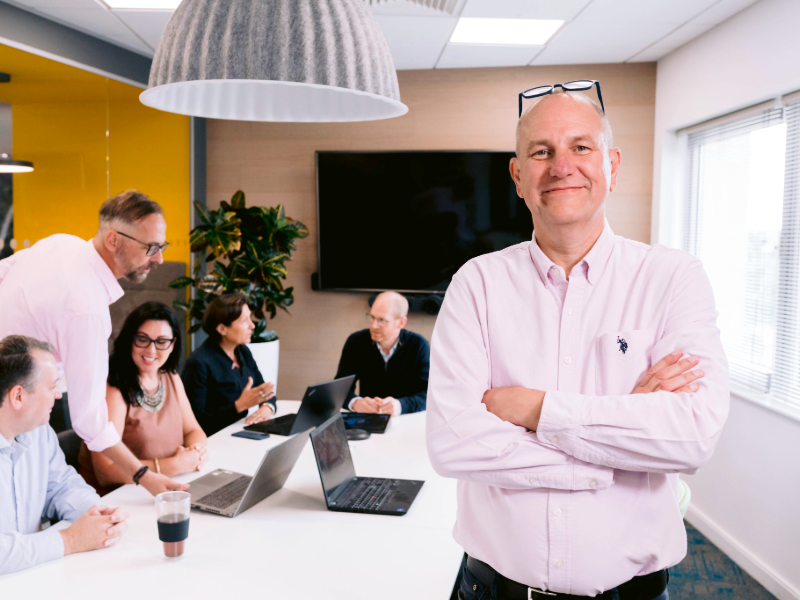
Mark Sapsford of CapEQ, available for an informal call with business founders